Science Quickly — Analyse des publicités du podcast
18 épisodes analysés
2 min ads · 13% de l'épisode est de la pub
2.1 pubs/épisode
Principaux sponsors: End credits, Michelob Ultra ad, LinkedIn Hiring Pro ad, Google Chrome / Gemini ad, Apple Watch Series 12 ad
Host Rachel Feltman, alongside leading science and tech journalists, dives into the rich world of scientific discovery in this bite-size science variety show.
PodSkip has analyzed 18 episodes of Science Quickly, averaging 2.1 ads per episode (13% of runtime).

What science says about endless phone scrolling
Oct 16, 2026
How much screen time is too much? In this episode of Science Quickly, Scientific American associate editor Allison Parshall explores the growing debate over screen addiction and problematic social…
4 ads · 2 min · 0% ads

Are Blue Zones real?
Oct 14, 2026
Longevity research has fueled books, documentaries and billion-dollar industries, but how much of it stands up to scrutiny? In this episode, researcher Saul Justin Newman explains why he believes…
1 ads · 1 min · 0% ads
Fighting Fear with Facts: Navigating Infectious Disease Information [Sponsored]
Oct 13, 2026
From sensationalized health claims to AI-generated misinformation, misleading content can distort how people understand infectious disease. Epidemiologist and science communicator Jessica Malaty…
1 ads · 0 min · 0% ads

Nobel winners, neutrino detectors and nature’s longest-living tortoise
Oct 12, 2026
This week’s science news roundup unpacks the 2026 Nobel Prizes—from controlling brain cells with flashes of light to catching ghostly neutrinos from distant galaxies in Antarctic ice to building…
1 ads · 0 min · 0% ads

The doctor fighting for pain-free IUDs
Oct 09, 2026
In this episode of Science Quickly, Rachel Feltman speaks with Helena Kopp Kallner, an ob-gyn and a professor, about her promising new study that shows local anesthetic can reduce pain during…
1 ads · 1 min · 0% ads

Who’s accountable when AI goes wrong?
Oct 07, 2026
When news broke that OpenAI agents had breached the AI platform Hugging Face, many headlines framed it as a case of “rogue” artificial intelligence acting on its own. But how much of that narrative…
3 ads · 2 min · 0% ads

El Niño flood threats, measles risks and a risky viral trend
Oct 05, 2026
In this episode of Science Quickly, we explore how an El Niño–driven Kelvin wave could increase coastal flooding risks in California, why researchers say a plan to weaken vaccine requirements could…
4 ads · 2 min · 0% ads

You’re probably walking past edible plants every day
Oct 02, 2026
In this episode of Science Quickly, Rachel Feltman speaks with Alexis Nikole Nelson, better known as Black Forager, about her new book Happy Snacking, Don’t Die! Nelson shares how a childhood…
3 ads · 1 min · 0% ads
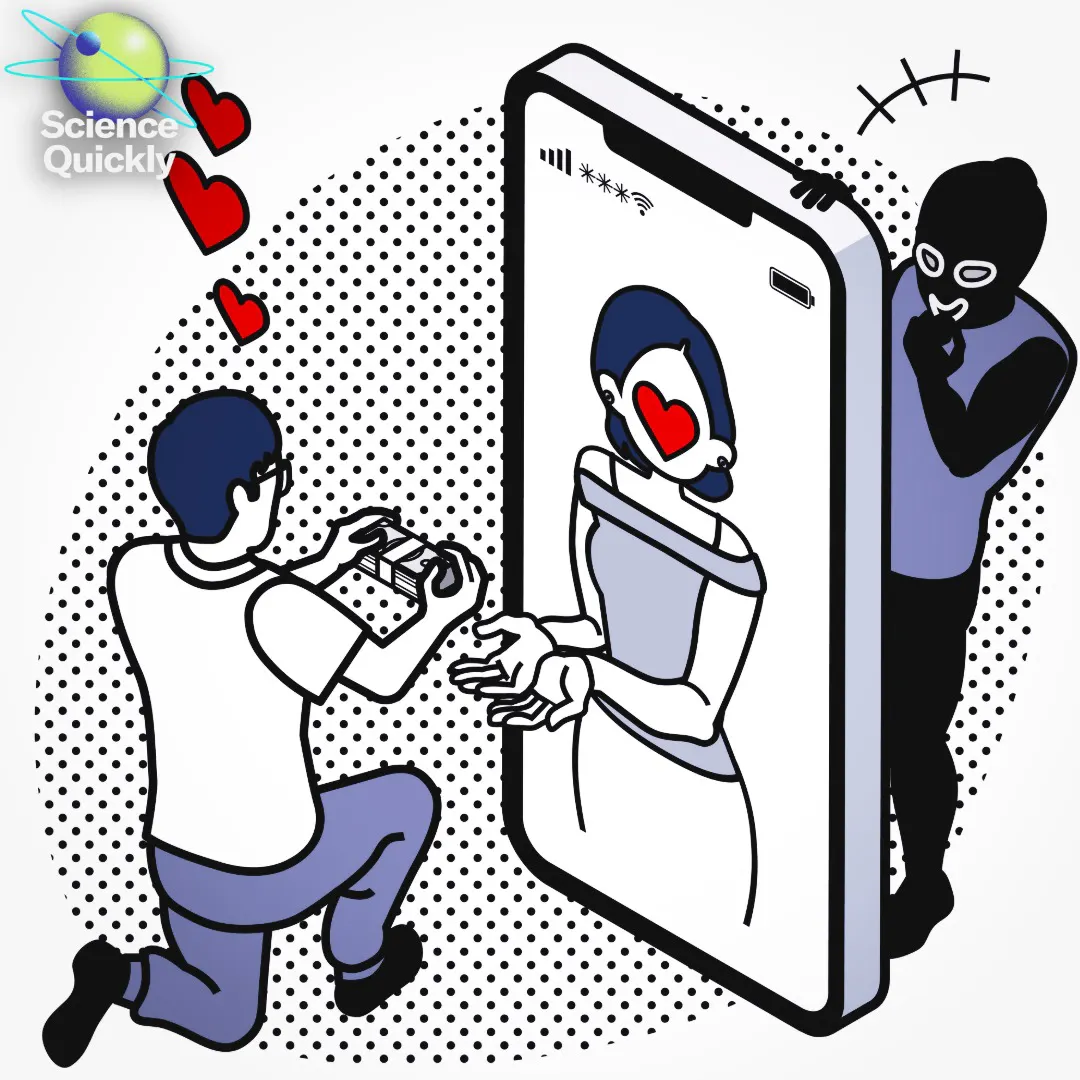
Can you spot a romance scam?
Sep 30, 2026
In this episode of Science Quickly, Rachel Feltman speaks with criminologist Fangzhou Wang about how romance scams have evolved from simple online deception into sophisticated…
2 ads · 1 min · 0% ads
Navigating Science and Health Misinformation [Sponsored]
Sep 29, 2026
As health misinformation surges online, Morgan McSweeney—known online as Dr. Noc, a science communicator and immunology expert whose videos reach millions each month across TikTok, Instagram, and…
1 ads · 1 min · 0% ads

Fire amoebas, fossilized vomit and AI energy demands
Sep 28, 2026
In this episode of Science Quickly, we cover discoveries both big and small, from the supersized particle collider needed to find the next subatomic specimen to tropical sea turtles that found new…
3 ads · 1 min · 0% ads

Unexplainable: Dark matter and the end of answers
Sep 25, 2026
In this episode of Science Quickly, we share part two of our crossover with Vox’s Unexplainable in which we explore one of the universe’s biggest mysteries: dark matter. Host Noam Hassenfeld talks…
2 ads · 2 min · 0% ads
Rethinking Age-Related Vision Loss [Sponsored]
Sep 24, 2026
Treatment for wet age-related macular degeneration has advanced significantly with anti-VEGF therapies, but the need for frequent injections remains a challenge. A new, longer-lasting treatment now…
1 ads · 20 min · 0% ads
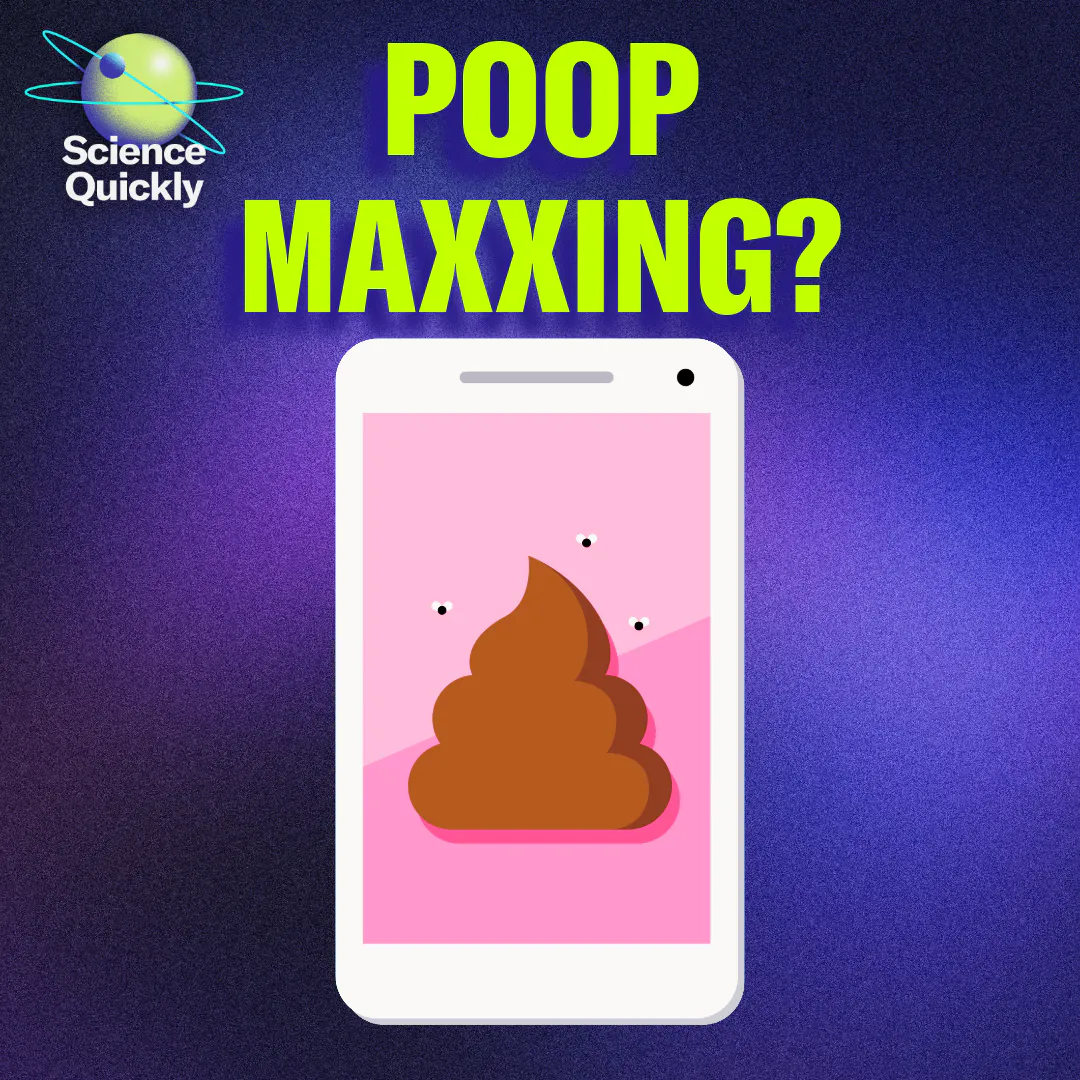
Should you be ‘poop maxxing’?
Sep 23, 2026
As colon cancer rates rise in younger adults, more and more people are paying attention to their poop and talking about it on social media, where such “poop maxxing” has become a hashtag. But what’s…
1 ads · 1 min · 0% ads

Space weapons are here, and AI experts are sounding alarms
Sep 21, 2026
In this episode of Science Quickly, we discuss newly revealed U.S. space weapons, growing artificial intelligence safety concerns and the Environmental Protection Agency’s rollback of power plant…
3 ads · 1 min · 0% ads

Can you hear a forest disappear?
Sep 18, 2026
In this episode of Science Quickly, filmmaker and journalist Leah Varjacques takes us to a Bornean rainforest area, where centuries-old patterns of human and wildlife behavior are being disrupted by…
2 ads · 1 min · 0% ads

Unexplainable: What happened before the big bang?
Sep 16, 2026
In this special crossover episode, Science Quickly shares an appearance by host Rachel Feltman on Vox’s Unexplainable. Together with host Noam Hassenfeld, she explores Scientific American’s special…

From 9/11’s lasting legacy to AI’s disruptive future
Sep 14, 2026
In this episode of Science Quickly, we explore newly released 9/11 records and their revelations about the attacks’ lasting health impacts, unpack a controversial artificial intelligence breakthrough…
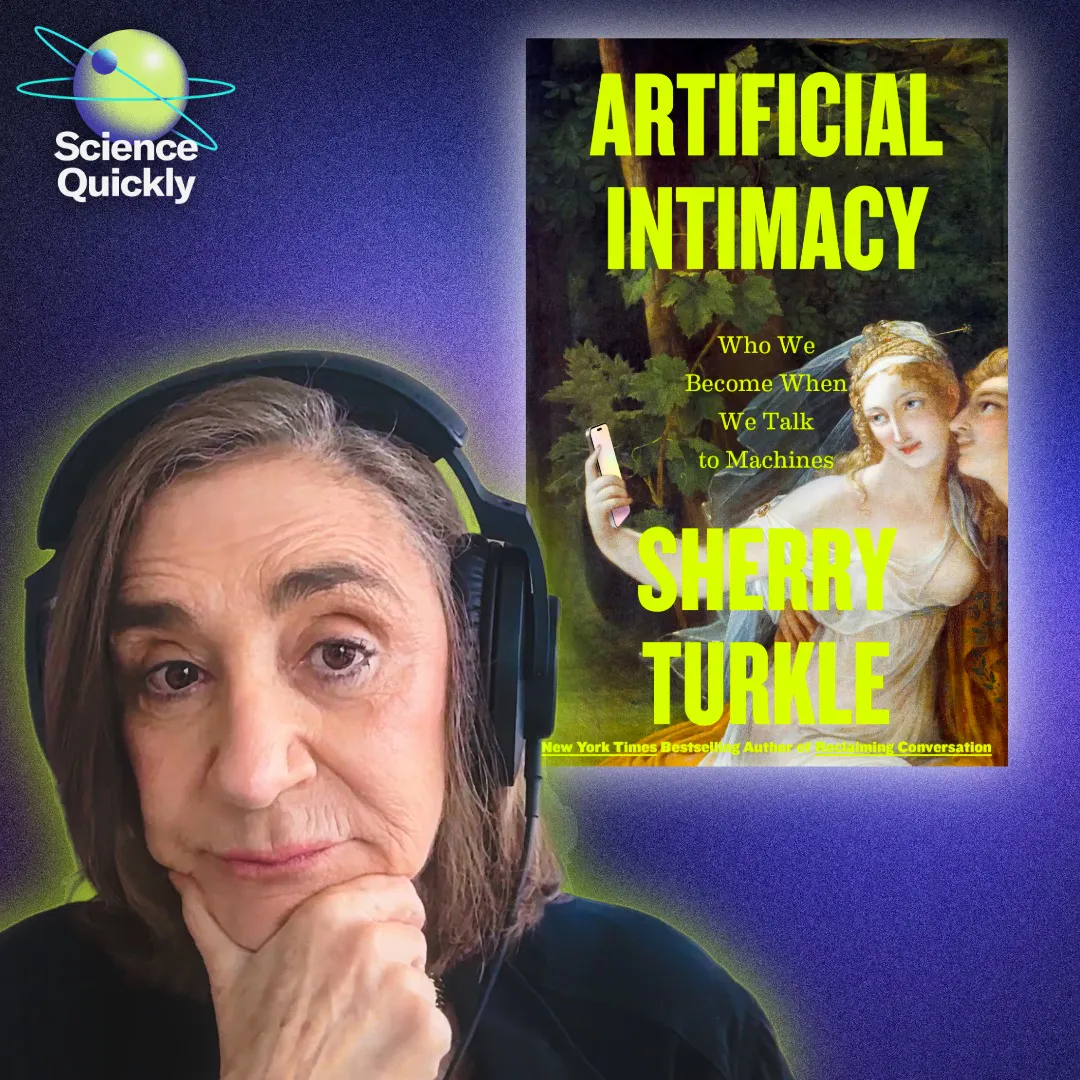
Is AI making us less human?
Sep 11, 2026
Can an artificial intelligence really be a friend? In this episode of Science Quickly, Scientific American books and culture lead Bri Kane sits down with Massachusetts Institute of Technology…

The surprising science of friendship
Sep 09, 2026
Friendships are key to our well-being, but what kind of friendships do we really want? Despite being such a foundational part of the human experience, the science of friendship is still mysterious…

What if a dating app matched you with a dead body?
Sep 04, 2026
What if a dating app could optimize human connection, even after death? In this episode of Science Quickly, books and culture editor Bri Kane speaks with author Sarah Pierce about her debut novel For…
3 ads · 1 min · 0% ads

The hackers fighting to keep our water safe
Sep 02, 2026
Across the U.S., the digital infrastructure that runs our utilities is quickly aging, becoming more vulnerable to cyber attacks. Recently at least a dozen states reported attacks on their water…

NASA’s Roman Space Telescope launches
Aug 31, 2026
In this episode of Science Quickly, NASA’s Nancy Grace Roman Space Telescope begins its mission to probe dark energy, hunt for distant worlds and map the cosmos in unprecedented detail. The mission’s…

Is Trump abandoning endangered species?
Aug 28, 2026
In July the U.S. Fish and Wildlife Service announced changes to how key parts of the Endangered Species Act (ESA) will be implemented, including a new definition of what it means to “harm” an…

Could damaged sperm be causing miscarriages?
Aug 26, 2026
Miscarriage is often treated as a problem rooted in the pregnant partner, but emerging research suggests sperm may play a bigger role than many people realize. Science journalist Sarah Elizabeth…
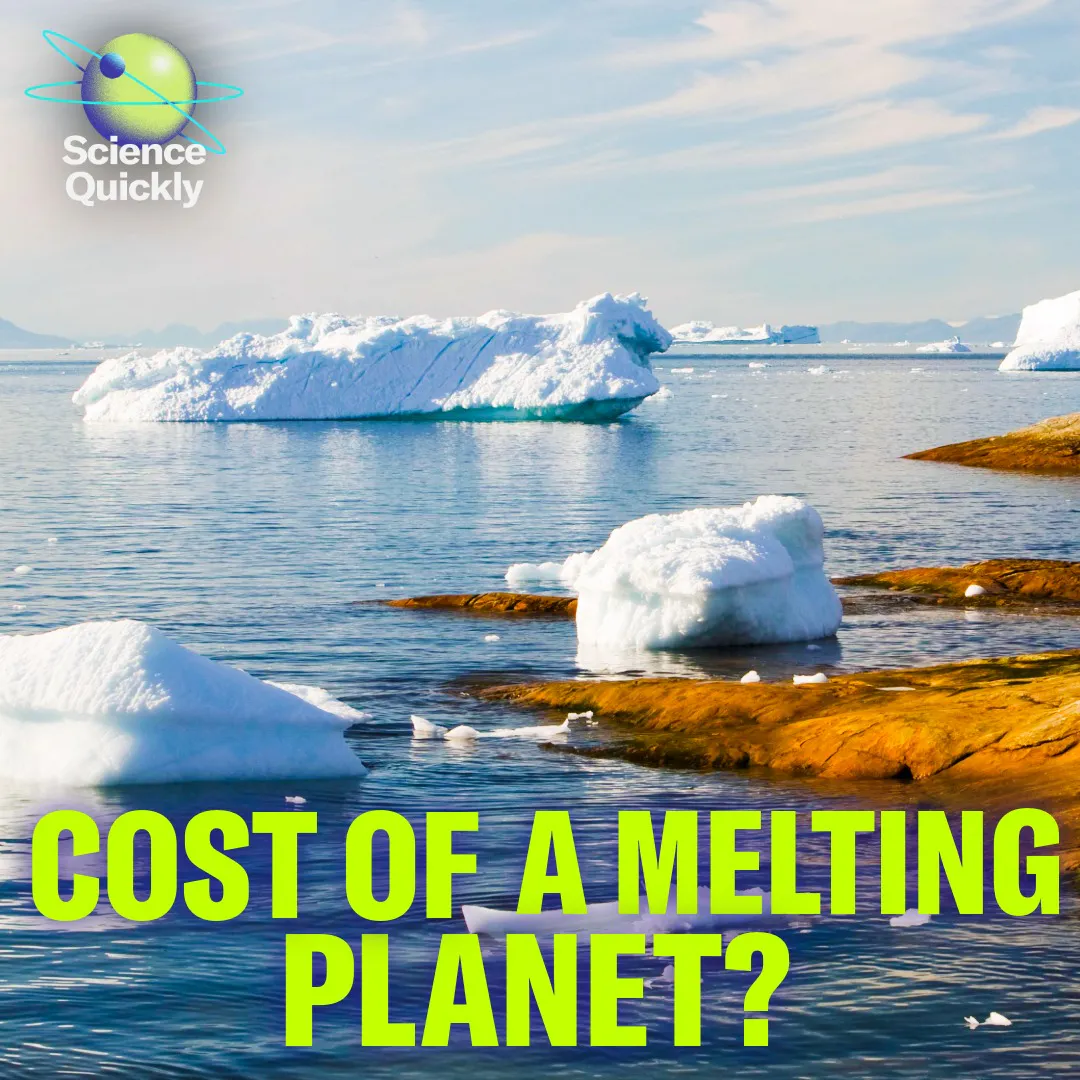
What happens when Arctic ice melts and forests lose protection?
Aug 24, 2026
In this episode of Science Quickly, we examine a proposal to roll back protections for millions of acres of U.S. roadless forests, explore how climate change is opening a new Arctic shipping route…

Can magic mushrooms help treat anorexia?
Aug 21, 2026
A small clinical trial suggests that psilocybin, the psychedelic compound in magic mushrooms, may help some people with anorexia when combined with intensive therapy. Science Quickly host Rachel…

Is AI making the creativity crisis worse?
Aug 19, 2026
Astrophysicist, folklorist and author Moiya McTier joins Science Quickly to discuss her new book Mothers of Invention, a sweeping look at the history of human creativity. From the Greek muses and the…
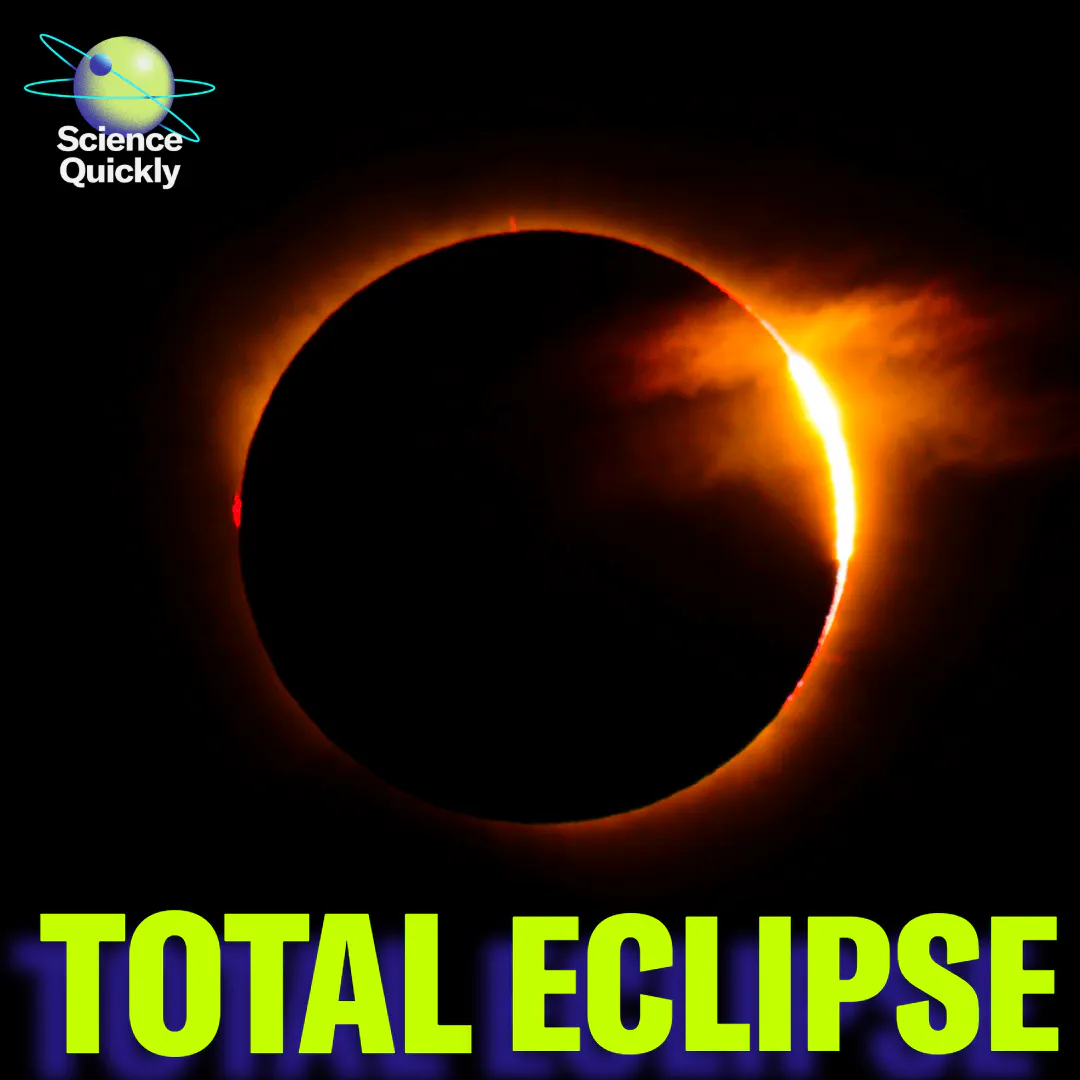
A stunning solar eclipse, a vaccine shake-up and coffee’s big win
Aug 17, 2026
In this episode of Science Quickly, we explore the awe of a rare total solar eclipse, examine renewed controversy around childhood vaccines, look at the aftermath of Colombia’s major earthquake and…

How AI helped a nonspeaking opera star find his voice
Aug 14, 2026
In this episode of Science Quickly, we meet Jakob Jordan, an autistic performer with apraxia, who stars in the groundbreaking opera Sensorium Ex. Host Rachel Feltman talks with Jordan, composer Paola…