Covering the outer reaches of space to the tiniest microbes in our bodies, Science Friday is the source for entertaining and educational stories about science, technology, and other cool stuff.
PodSkip has analyzed 1 episode of Science Friday, averaging 0.0 ads per episode (0% of runtime).
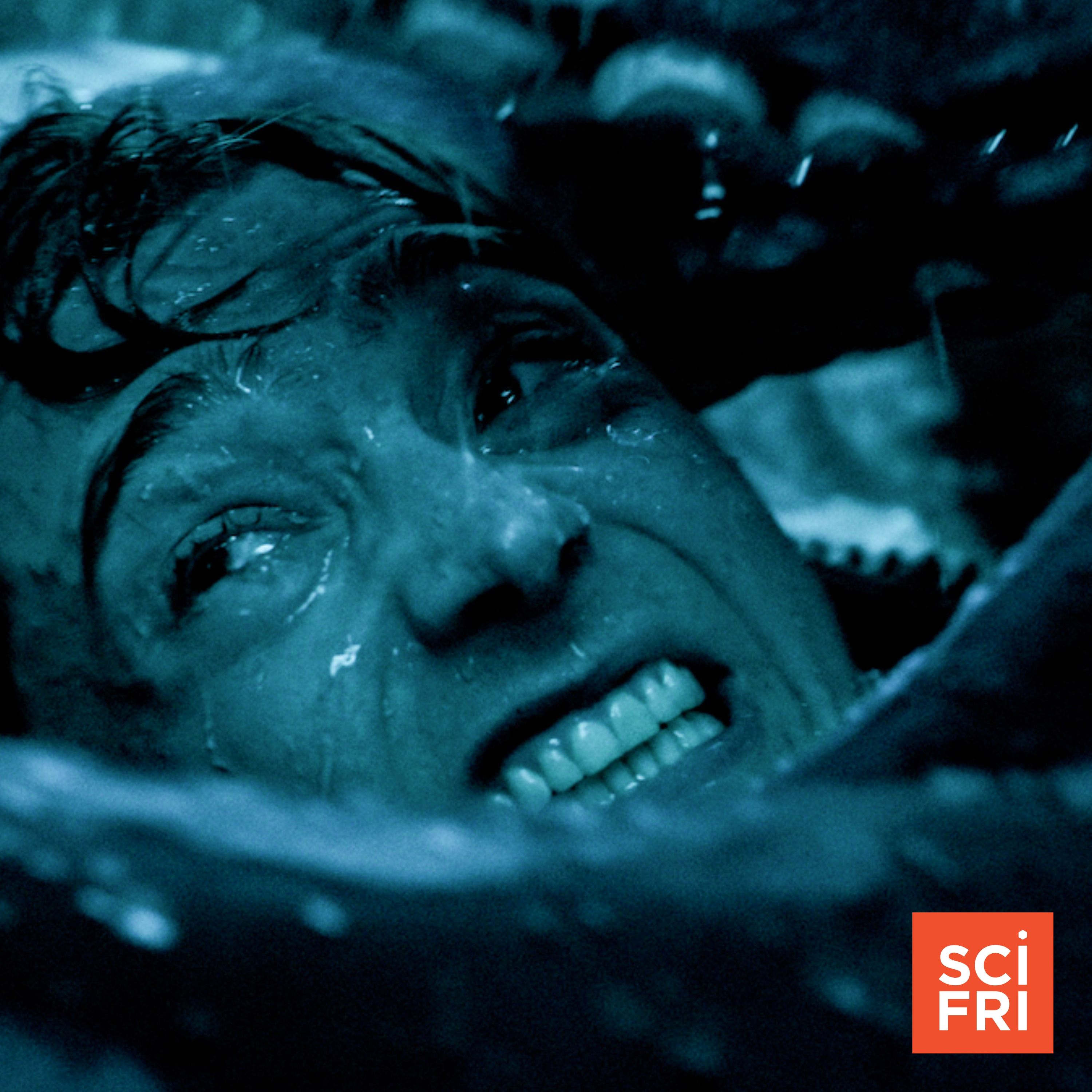
Could a whale swallow a human, 'Whalefall' style?
Oct 16, 2026
"Whalefall" is a race against time, and sperm whale digestion. We get into the gooey gut science and what it took to bring it to the big screen.
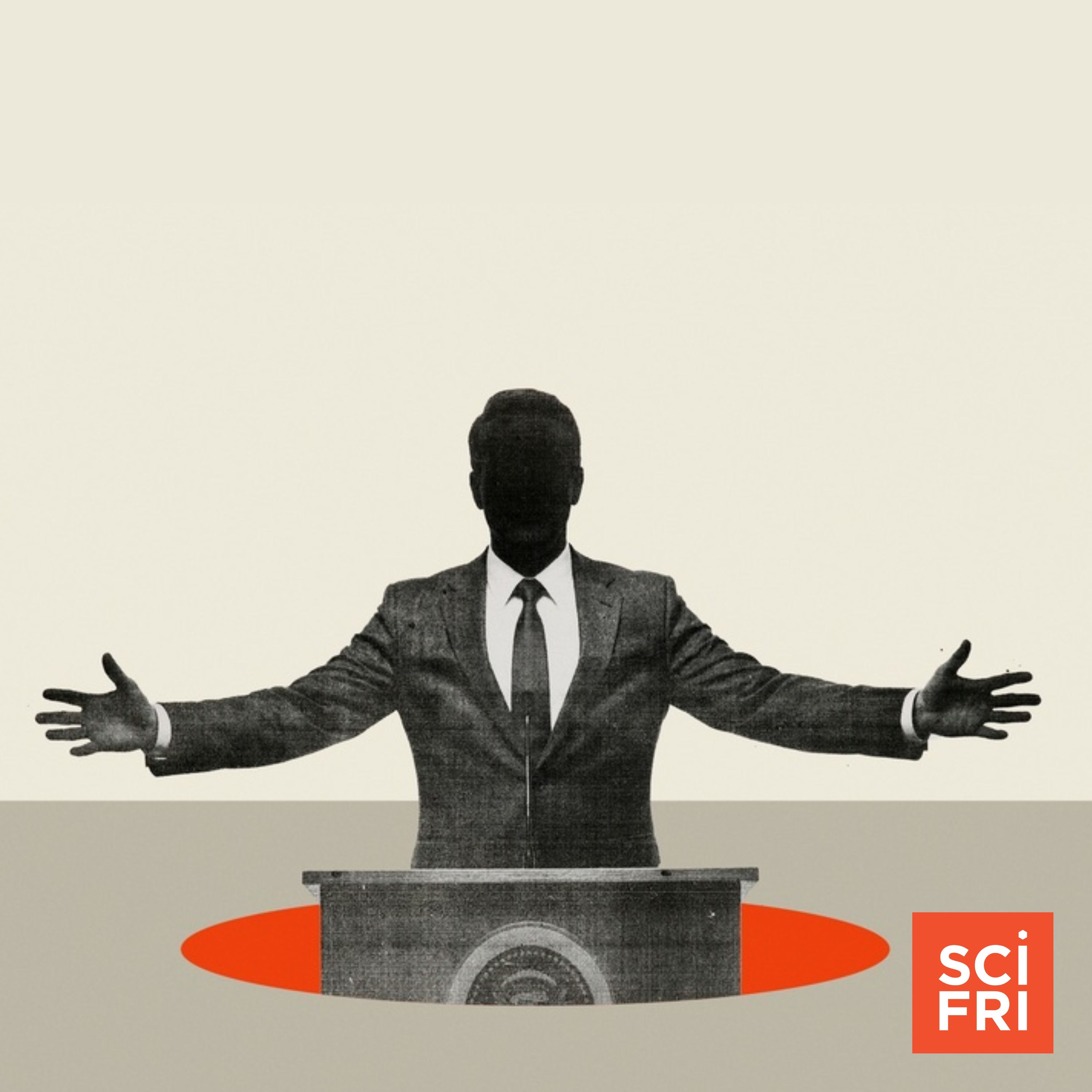
Why do politicians talk like that?
Oct 15, 2026
A linguist weighs in on how "politician speak" has changed over the past century, and what it says about what we want from our leaders.
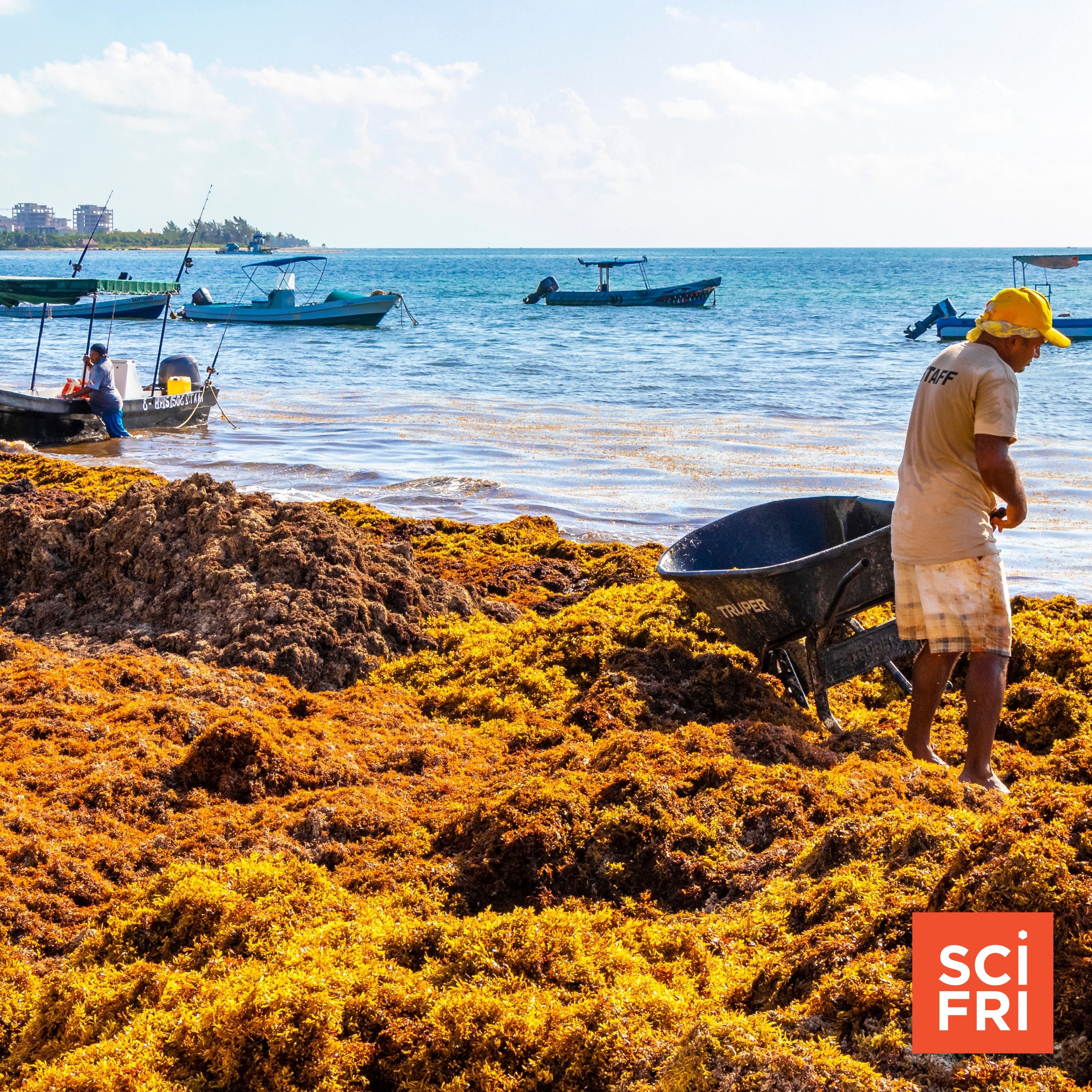
Sargassum superblooms are choking coastlines around the Atlantic
Oct 14, 2026
A free-floating seaweed called sargassum is exploding in the Atlantic ocean, clogging up coastlines from West Africa to the Caribbean.
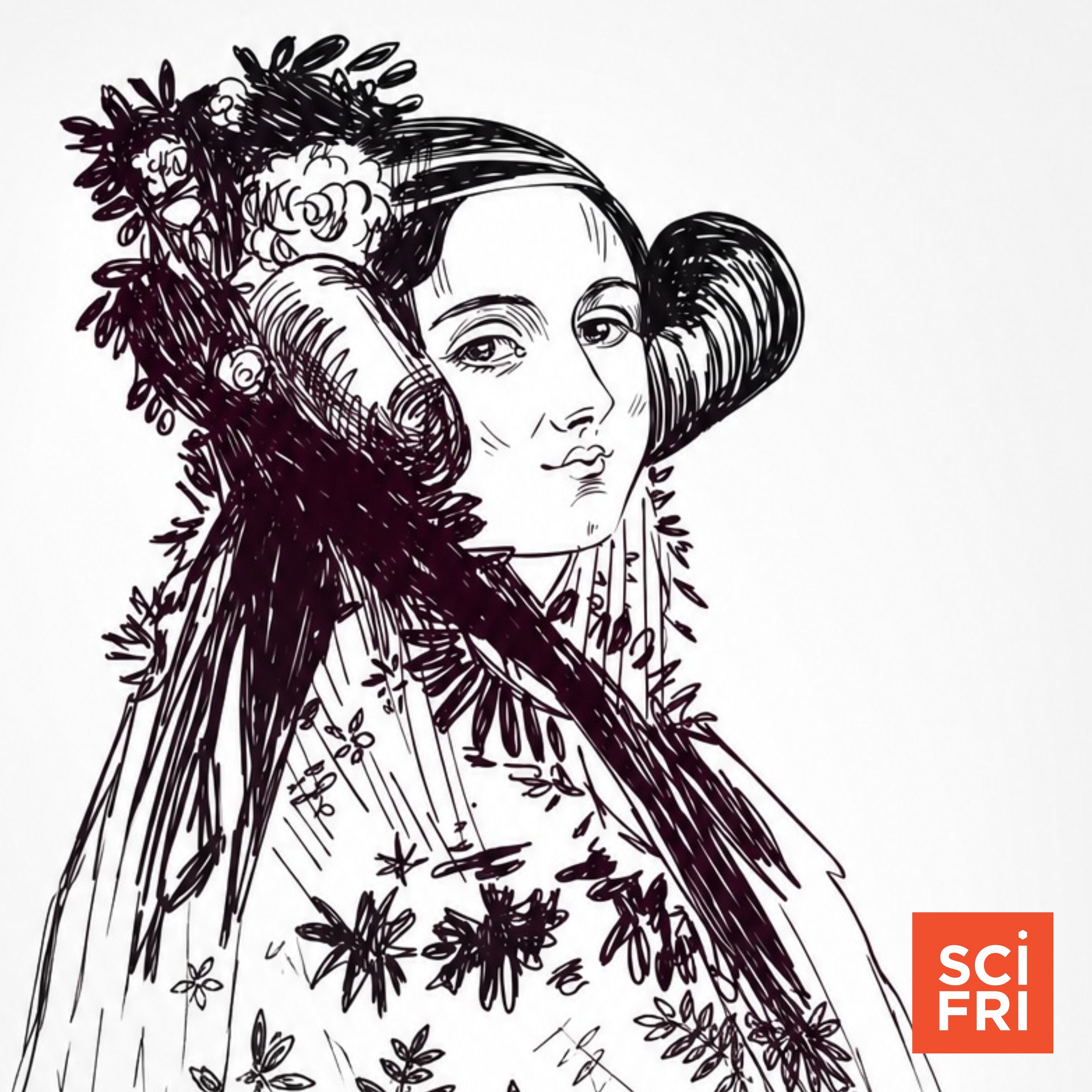
Celebrating Ada Lovelace Day and the women who made the internet
Oct 13, 2026
For Ada Lovelace Day, our 2018 story about the women who made the internet, with the author of "Broad Band" and the founder of EchoNYC.
Are attachment styles more than a social media trend?
Oct 12, 2026
Attachment styles have taken off as a way to understand relationships. But does the science behind it line up with popular interpretations?
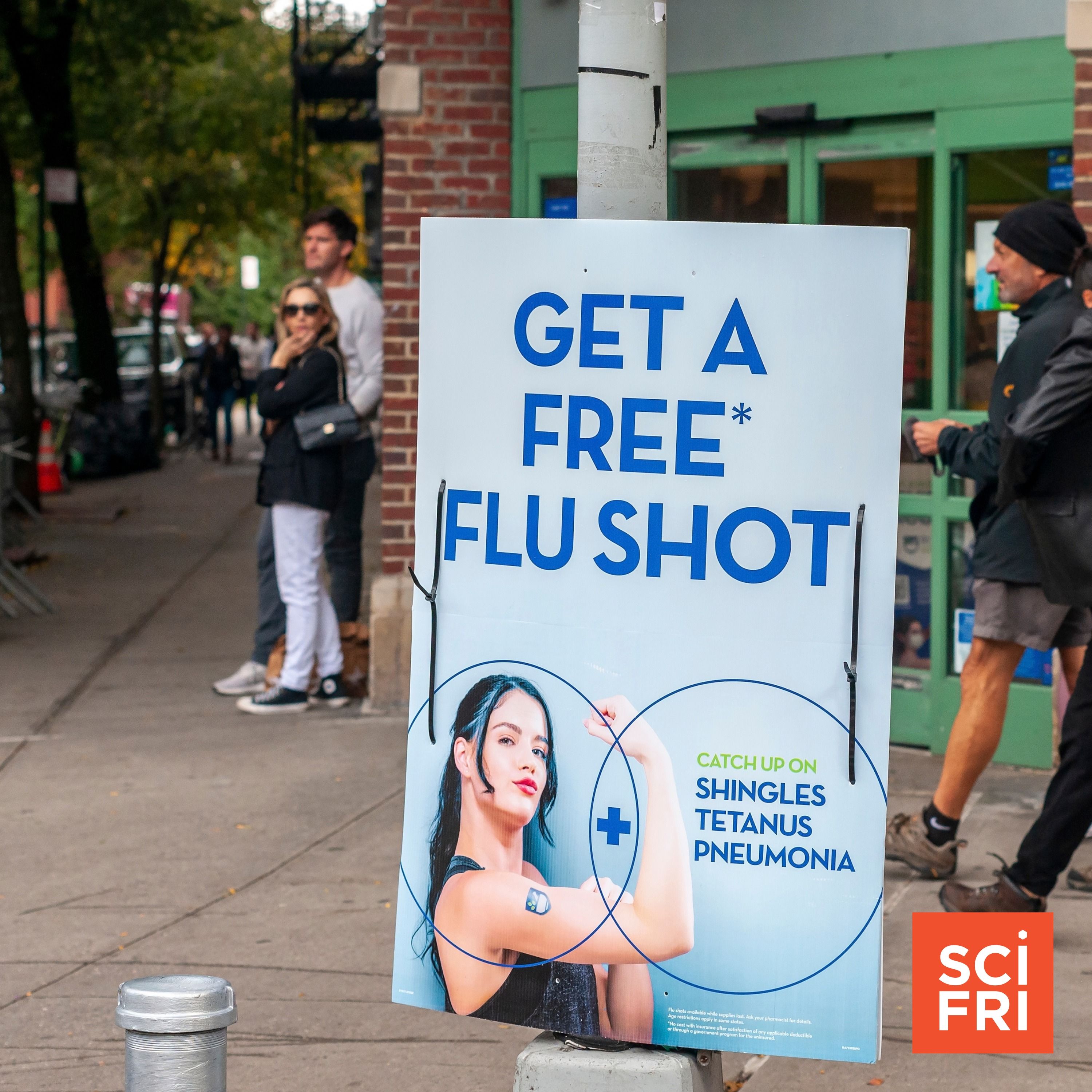
The science and politics of the new mRNA flu vaccine
Oct 10, 2026
A new mRNA flu vaccine promises a closer match to circulating flu strains. But dysfunction at federal health agencies is complicating rollout.
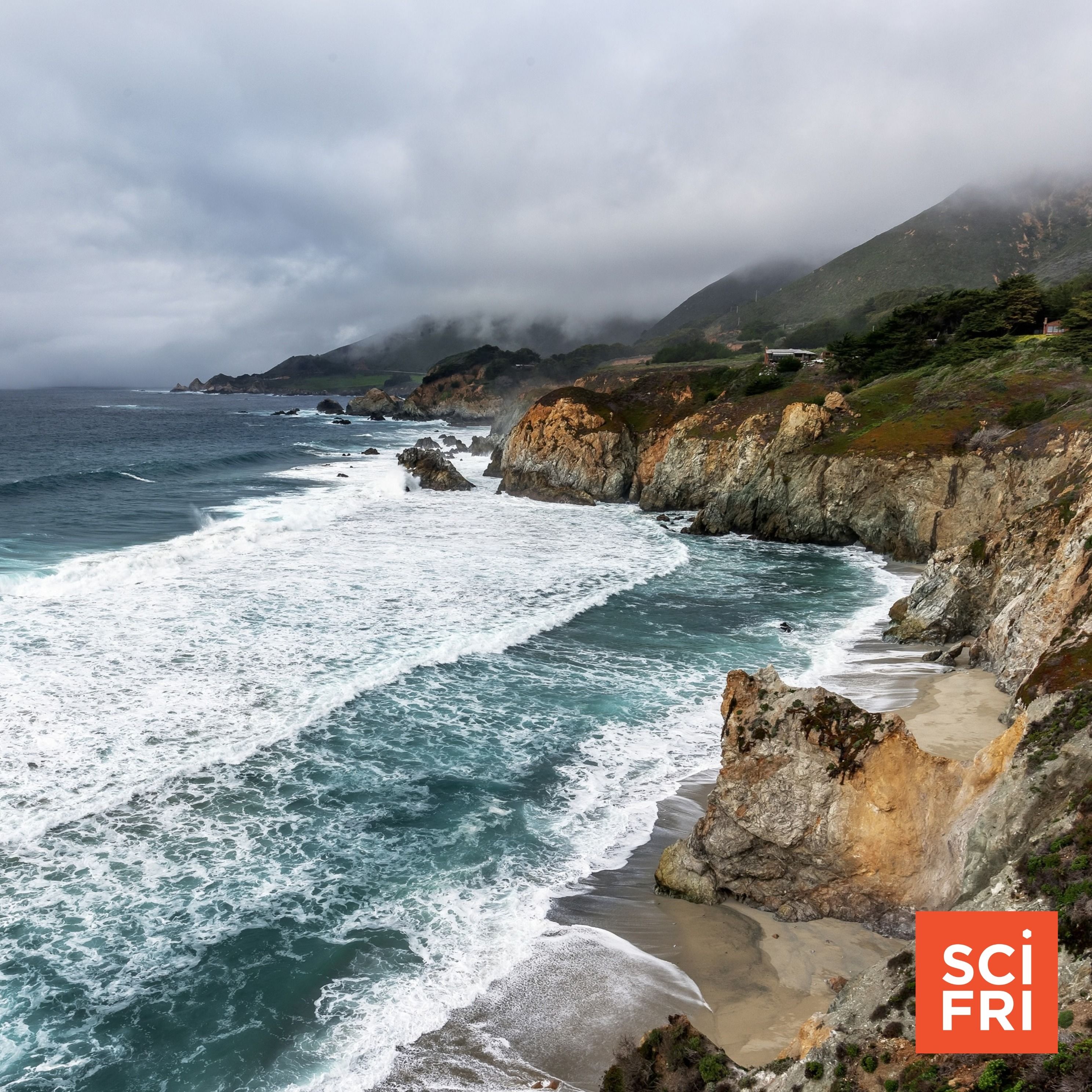
What is the Kelvin wave on the West Coast?
Oct 09, 2026
El Niño is driving a Kelvin wave up the West Coast, raising sea levels. What is it, and how does it work?
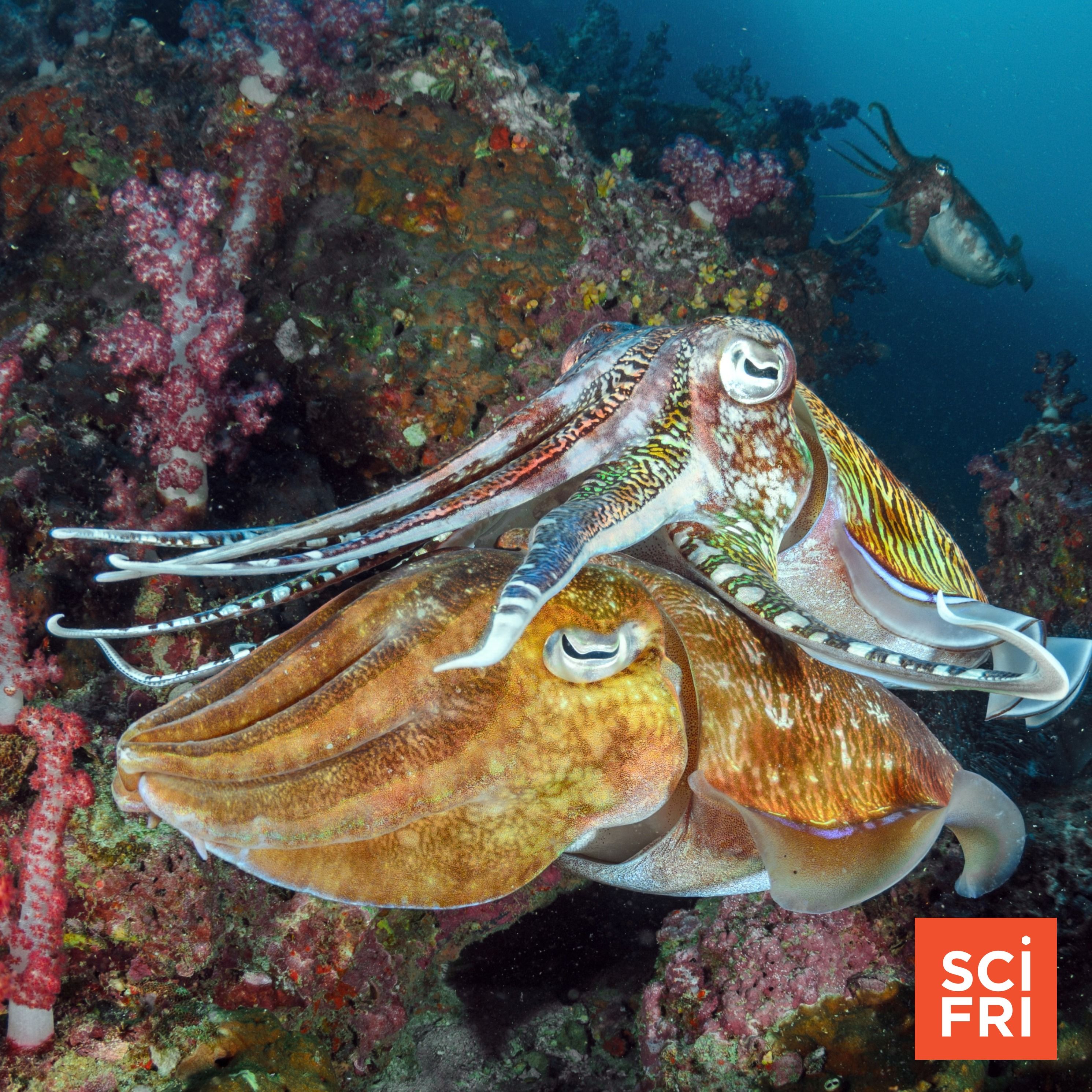
The punk rock life of cephalopods
Oct 08, 2026
This Cephalopod Week, we’re talking death spirals, cannibalism, and giant squid dissection.
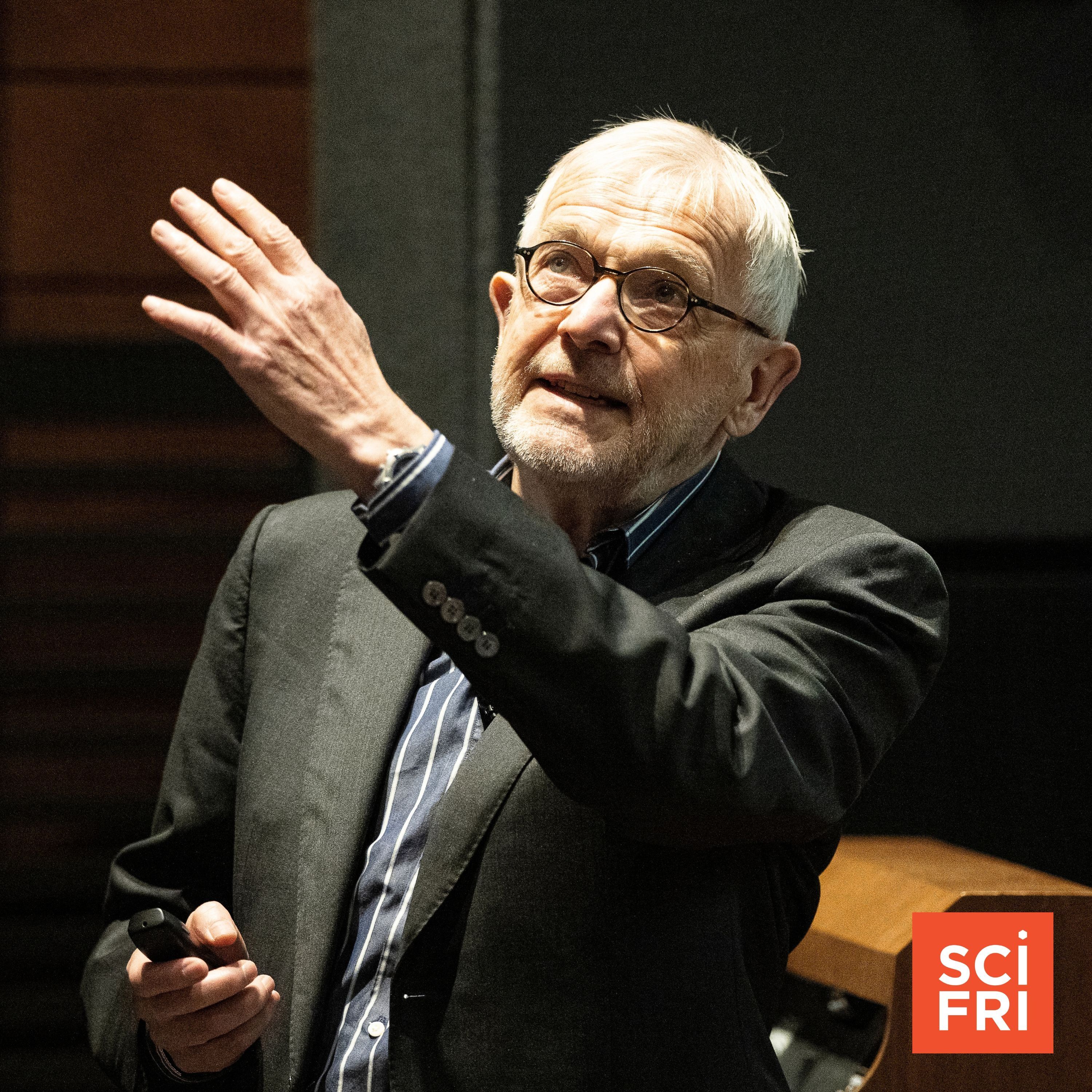
The Nobel winner searching for deep-space neutrinos in Antarctica
Oct 07, 2026
In 2013, Frances Halzen spoke with Ira about the IceCube Neutrino Observatory. This week, Halzen won the Nobel Prize.
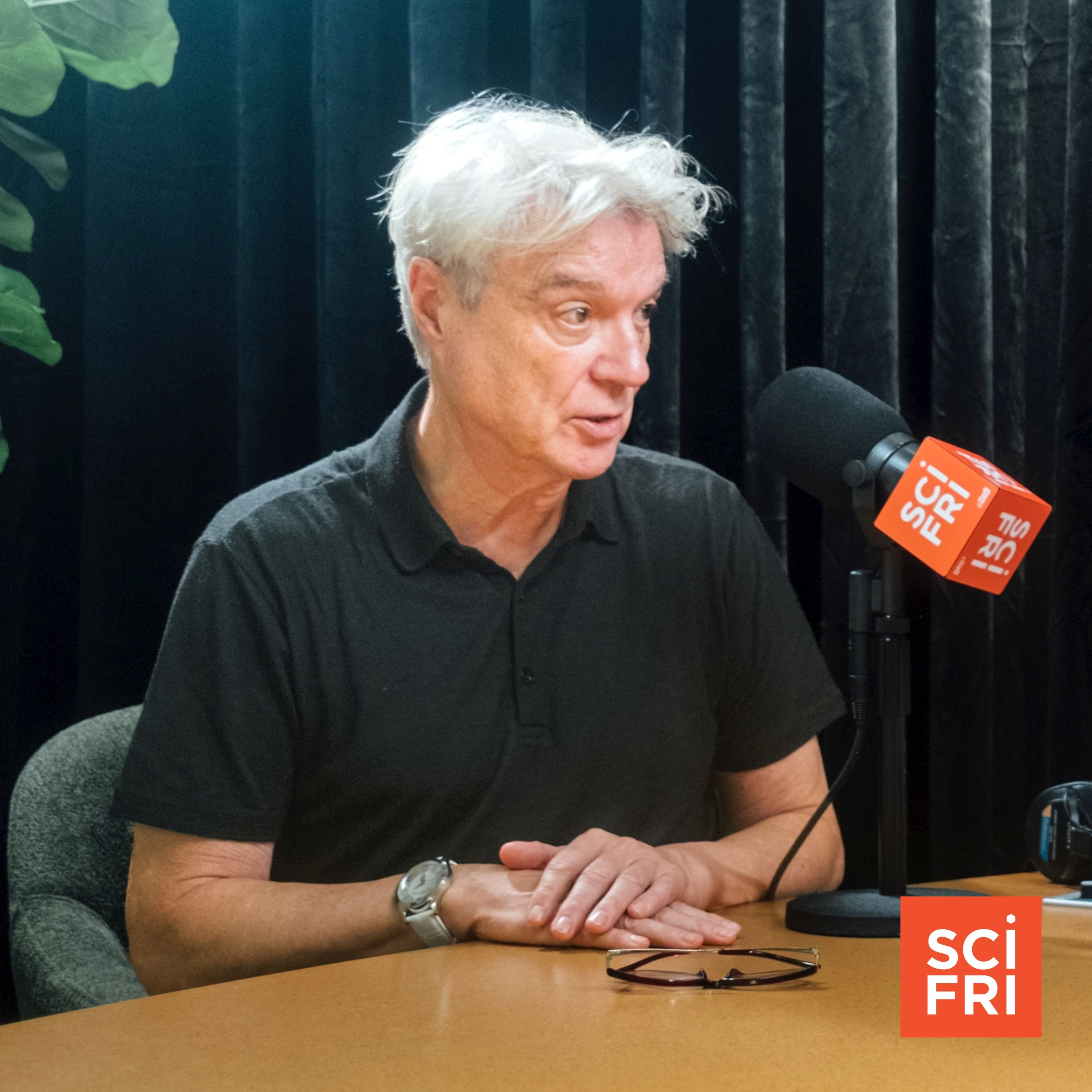
How important ideas get reawakened, with David Byrne
Oct 06, 2026
Why do some breakthroughs go dormant—and then wake up? Artist David Byrne writes about these sleeping beauties in his new book.
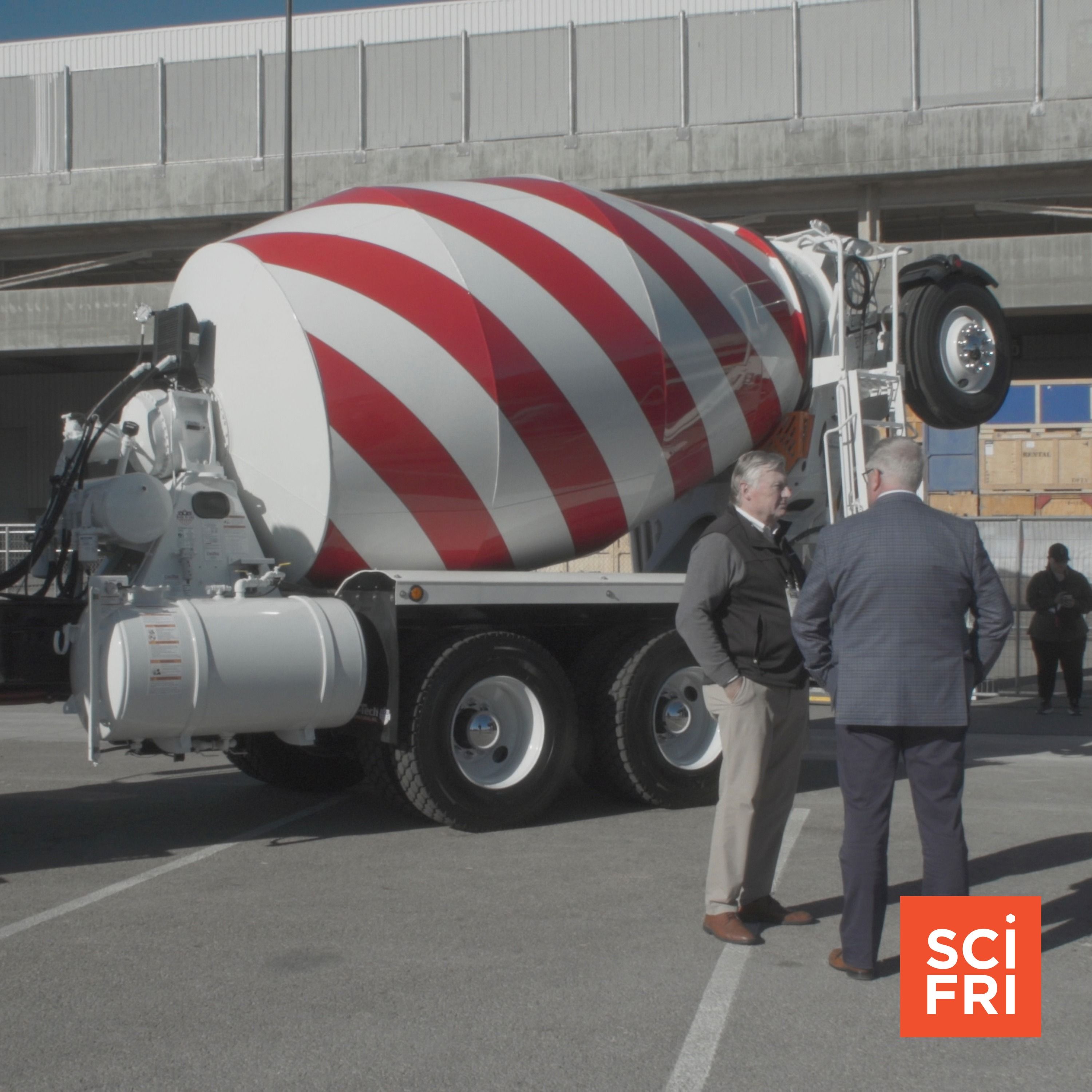
'The History of Concrete' with John Wilson
Oct 05, 2026
John Wilson’s latest feature film, “The History of Concrete” is an idiosyncratic journey about more than just concrete.
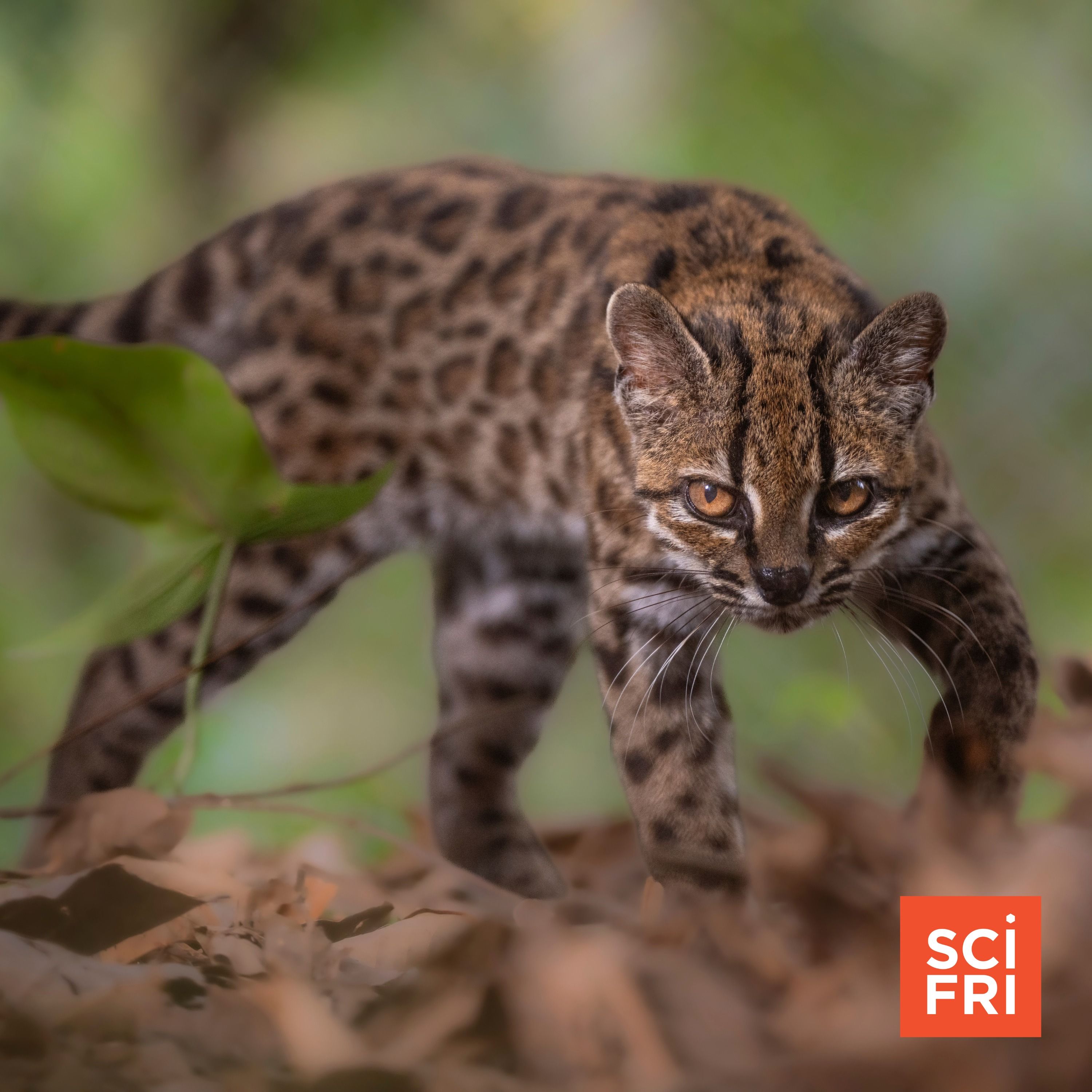
The tilcayo is the new wild cat on the block
Oct 02, 2026
The tiny, three-pound tilcayo is the first cat species to be described in a century, and, yes—it is as cute as you’d think.
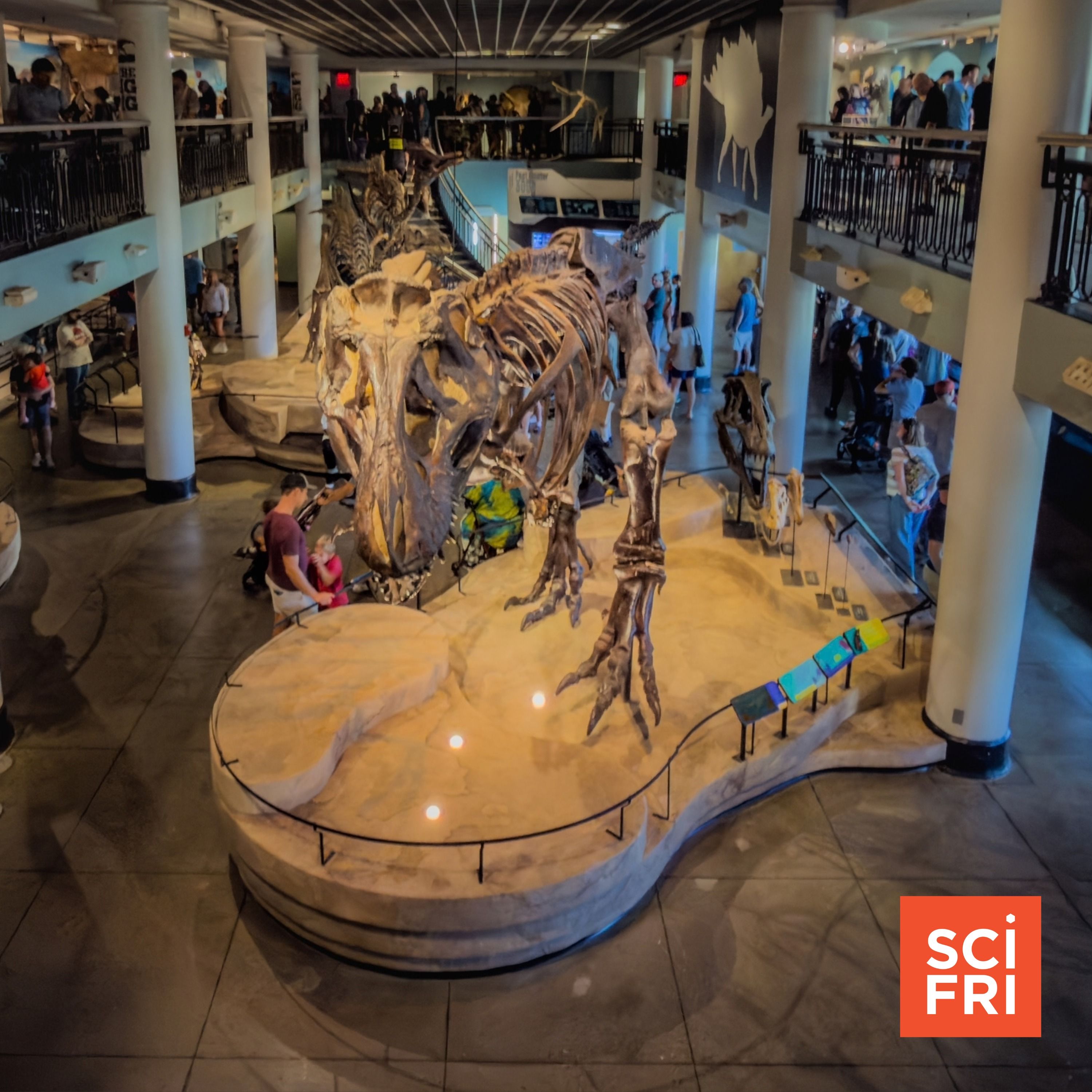
Are natural history museums going extinct?
Oct 01, 2026
The country’s oldest natural history museum, in Philadelphia, has closed its doors to visitors. Will other museums follow?
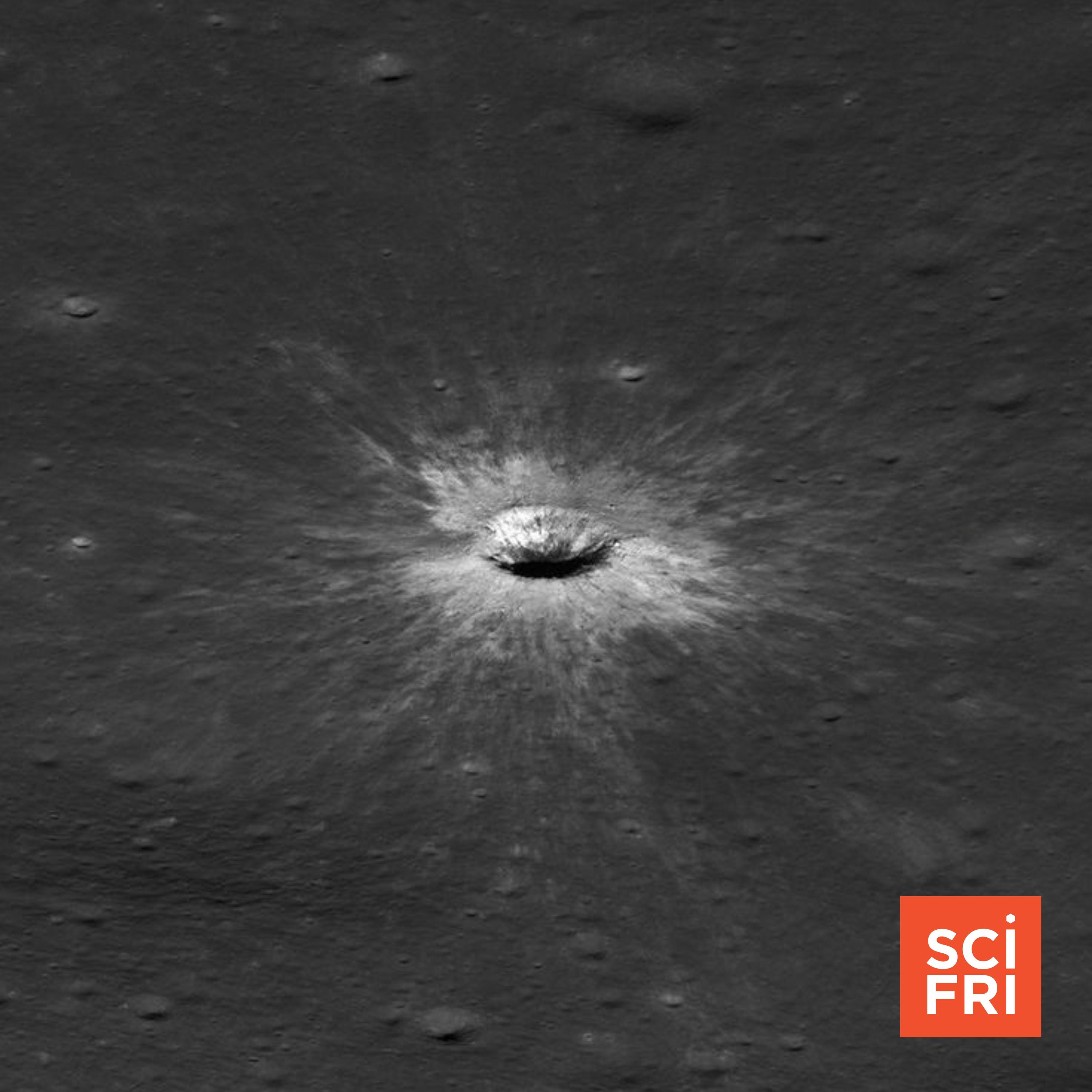
Examining a new lunar crater + searching for signs of alien technology
Sep 30, 2026
Scientists are learning more about a recent impact crater on the moon. Plus, hunting for extraterrestrial life through technological clues.
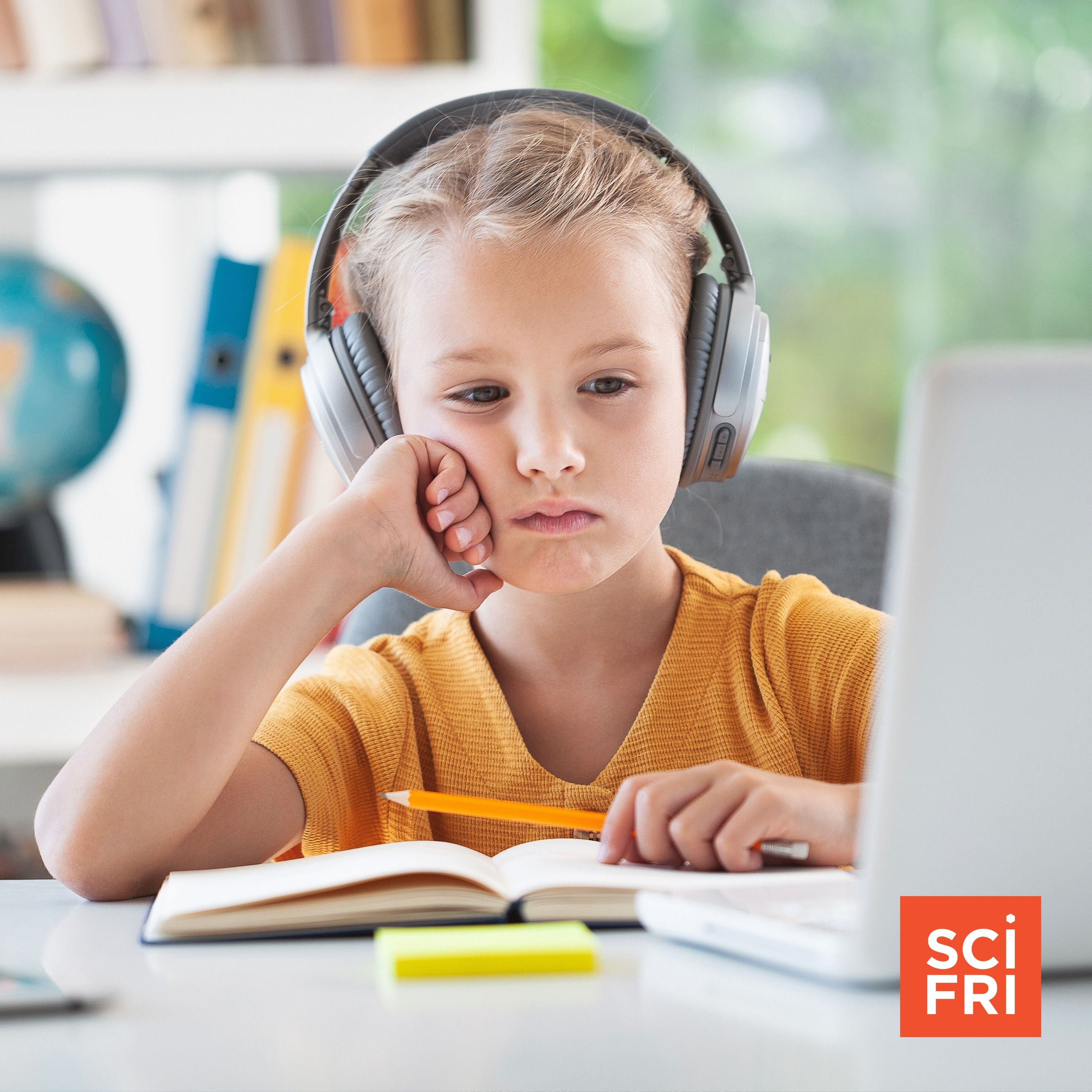
Did the COVID pandemic stunt kids’ development?
Sep 29, 2026
The pandemic interrupted the lives of millions of kids. Researchers are studying the impact on their social and emotional development.
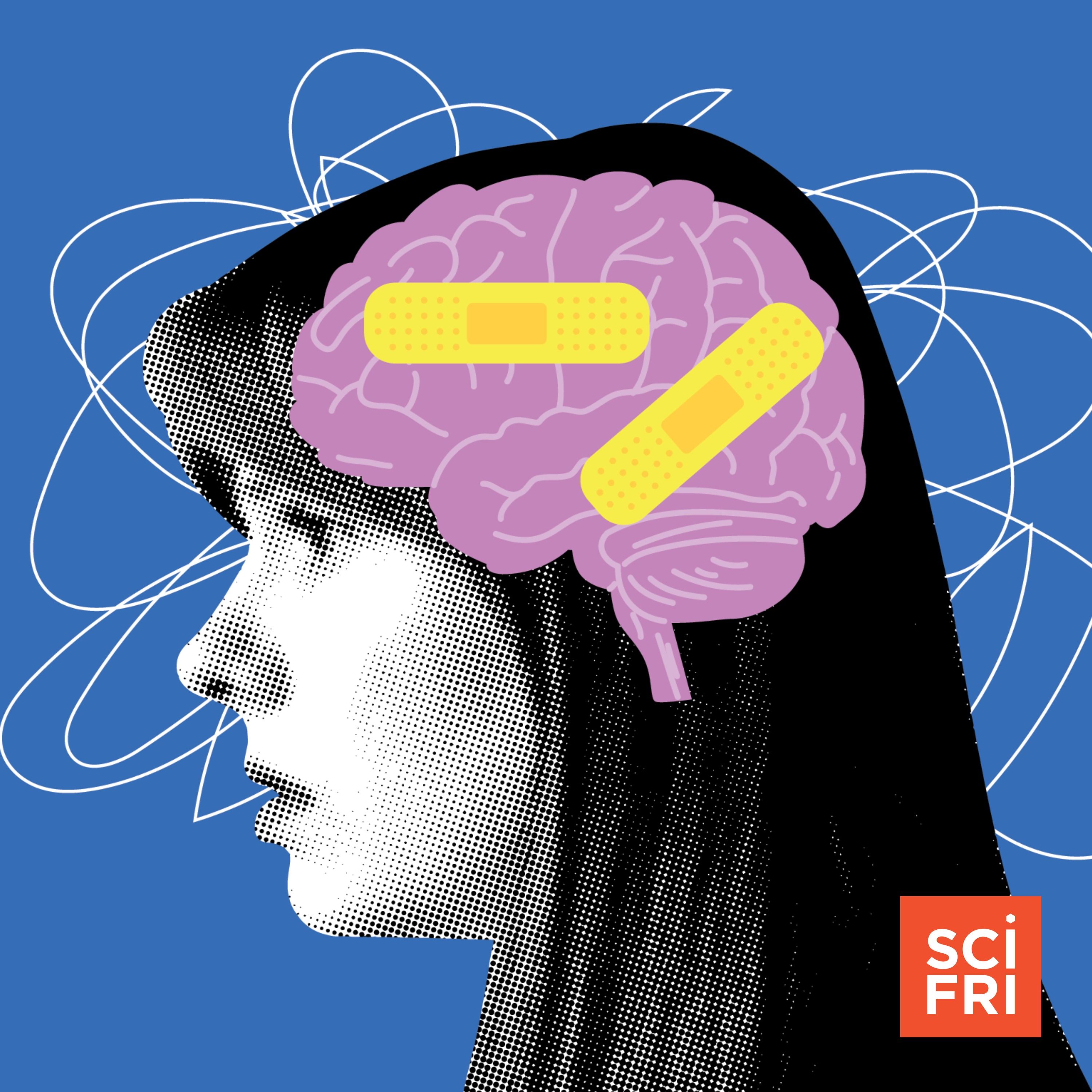
How do concussions affect the brain?
Sep 28, 2026
The latest scientific understanding of concussions is upending treatment recommendations for recovery.
Are new treatments for celiac disease on the horizon?
Sep 25, 2026
More than 3 million Americans suffer from celiac disease, an illness with no current treatment. Is help on the way?
Everyone is calling for safer AI. So what does that mean?
Sep 24, 2026
Concerns about AI safety are growing. Two researchers explain the unintended consequences of training AI models and what questions remain.
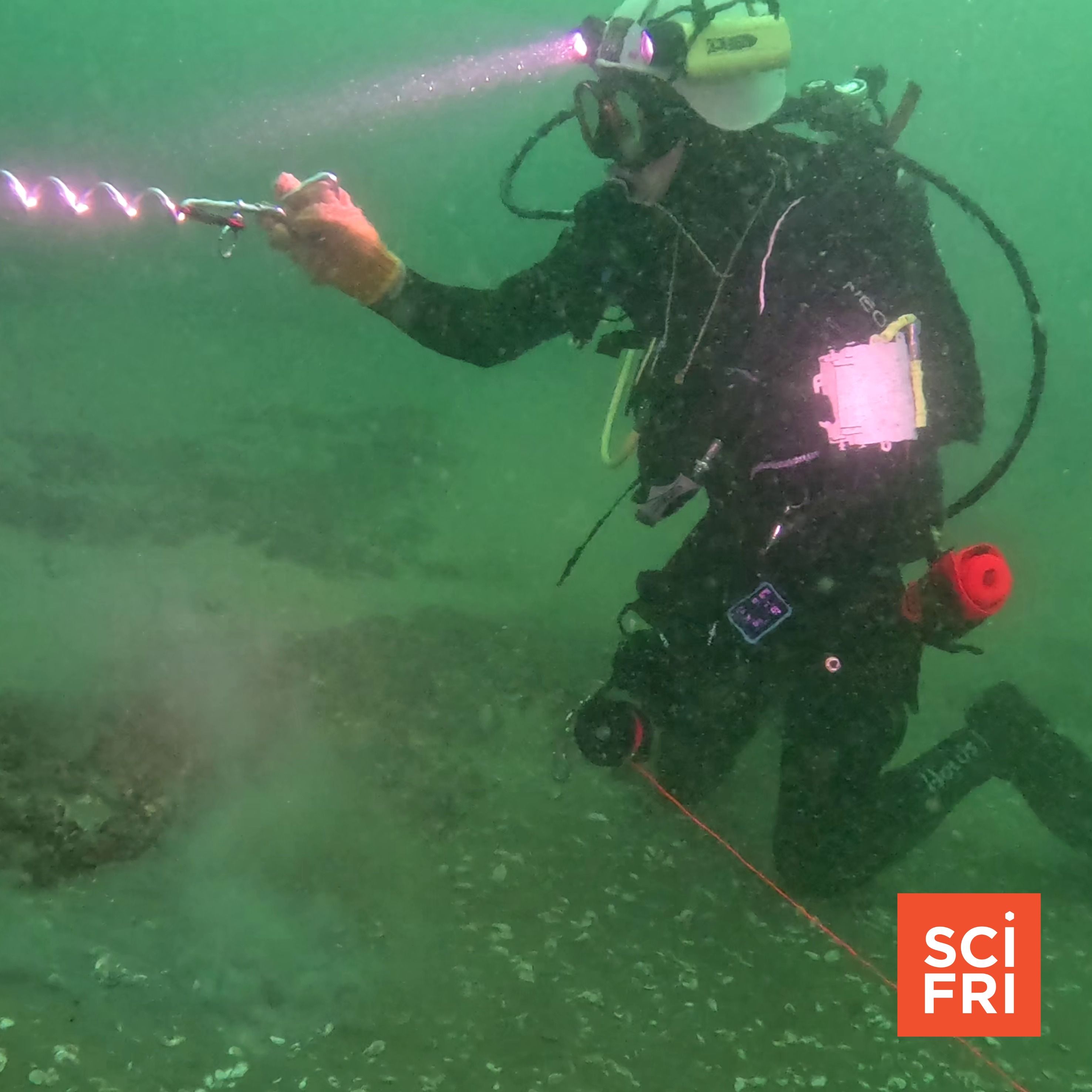
Underwater archeology reveals clues about Ice Age humans
Sep 23, 2026
At the end of the last ice age, glacial melt inundated human settlements near shorelines. Underwater archeologists are uncovering their artifacts.
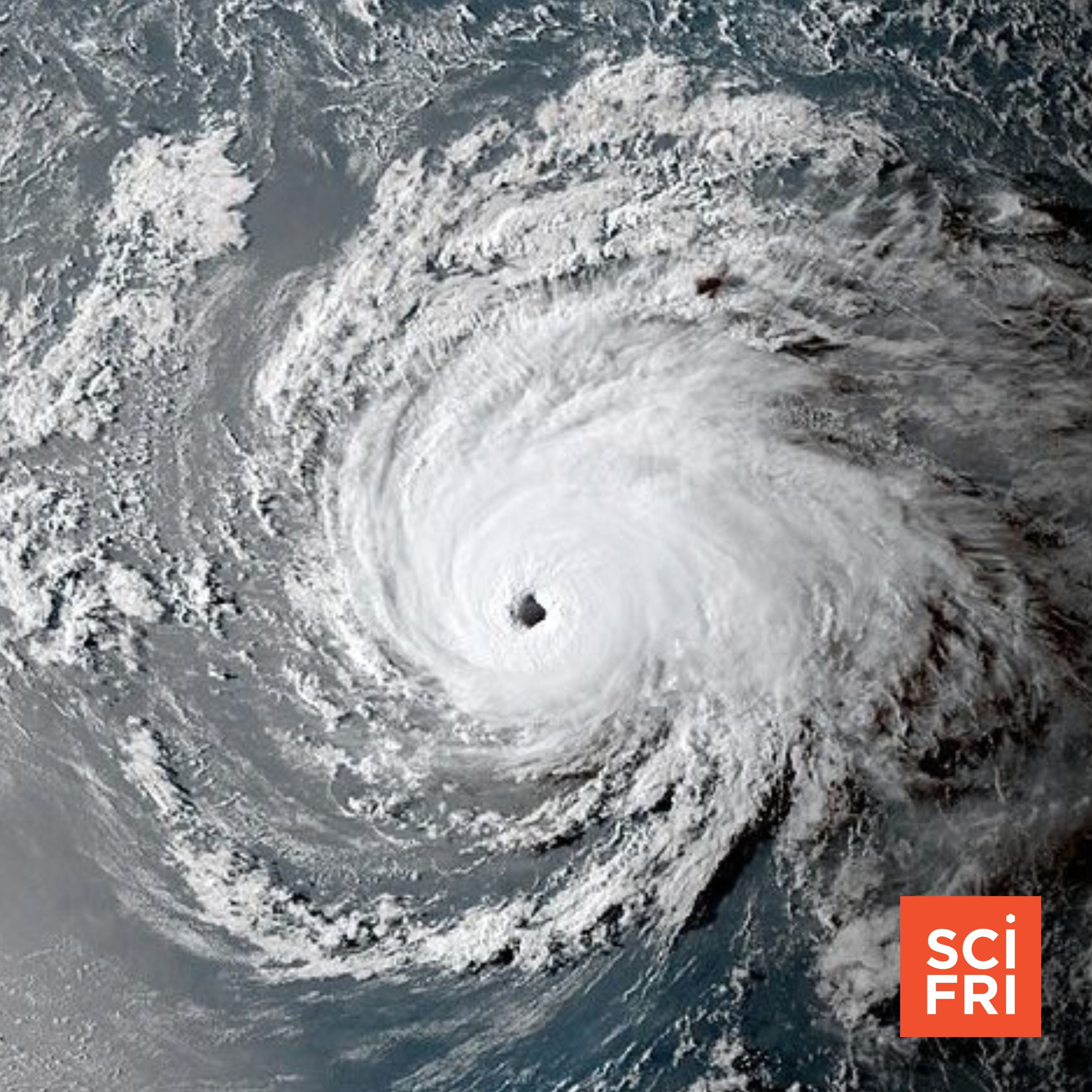
Climate change is increasing hurricane risk for Hawaiʻi
Sep 22, 2026
Hawaiʻi has generally been safe from the worst effects of hurricanes. But this year two hurricanes battered the islands in a matter of weeks.
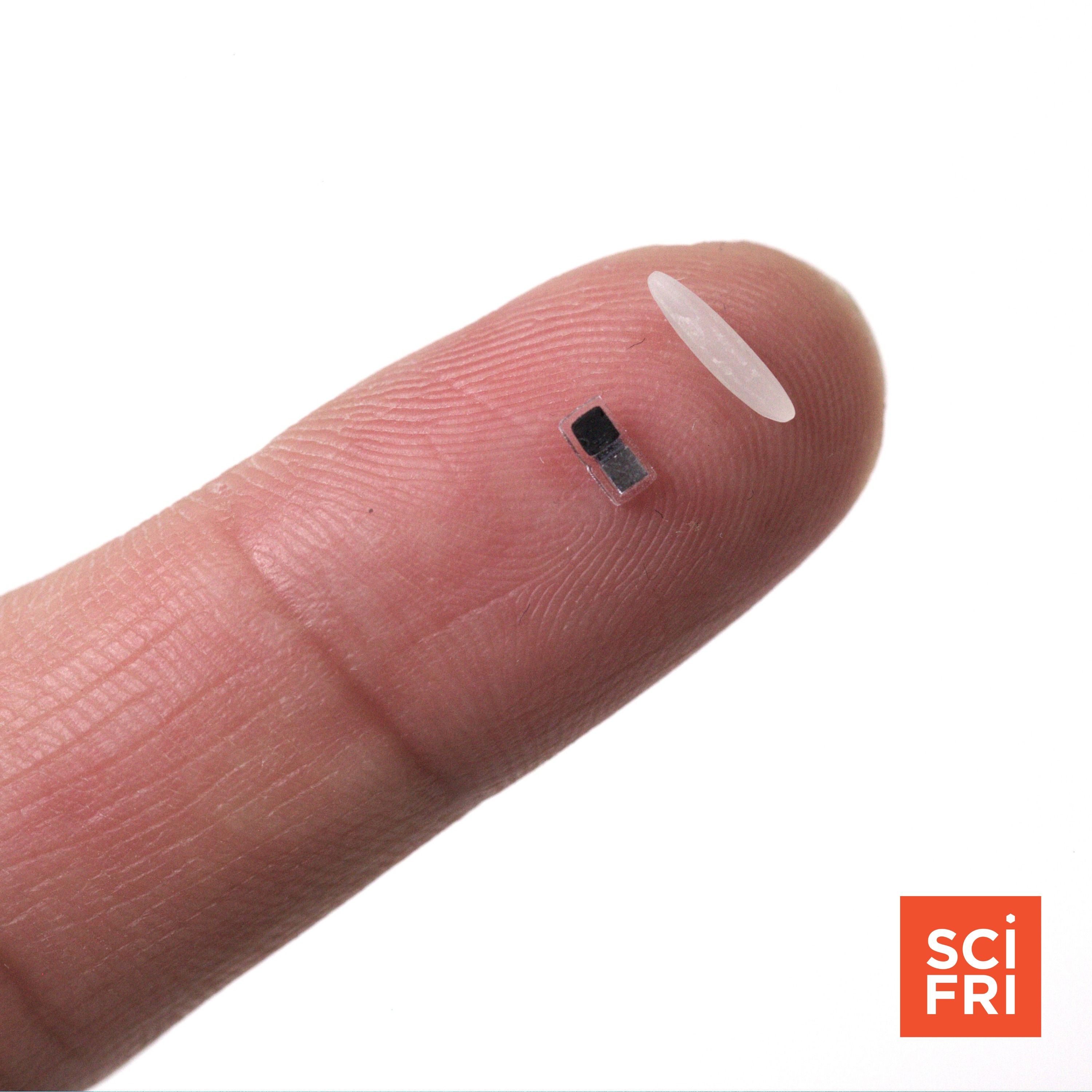
Bringing hard electronics into soft and squishy bodies
Sep 21, 2026
Inventor John Rogers bridges the natural and artificial worlds with flexible, biocompatible electronics.
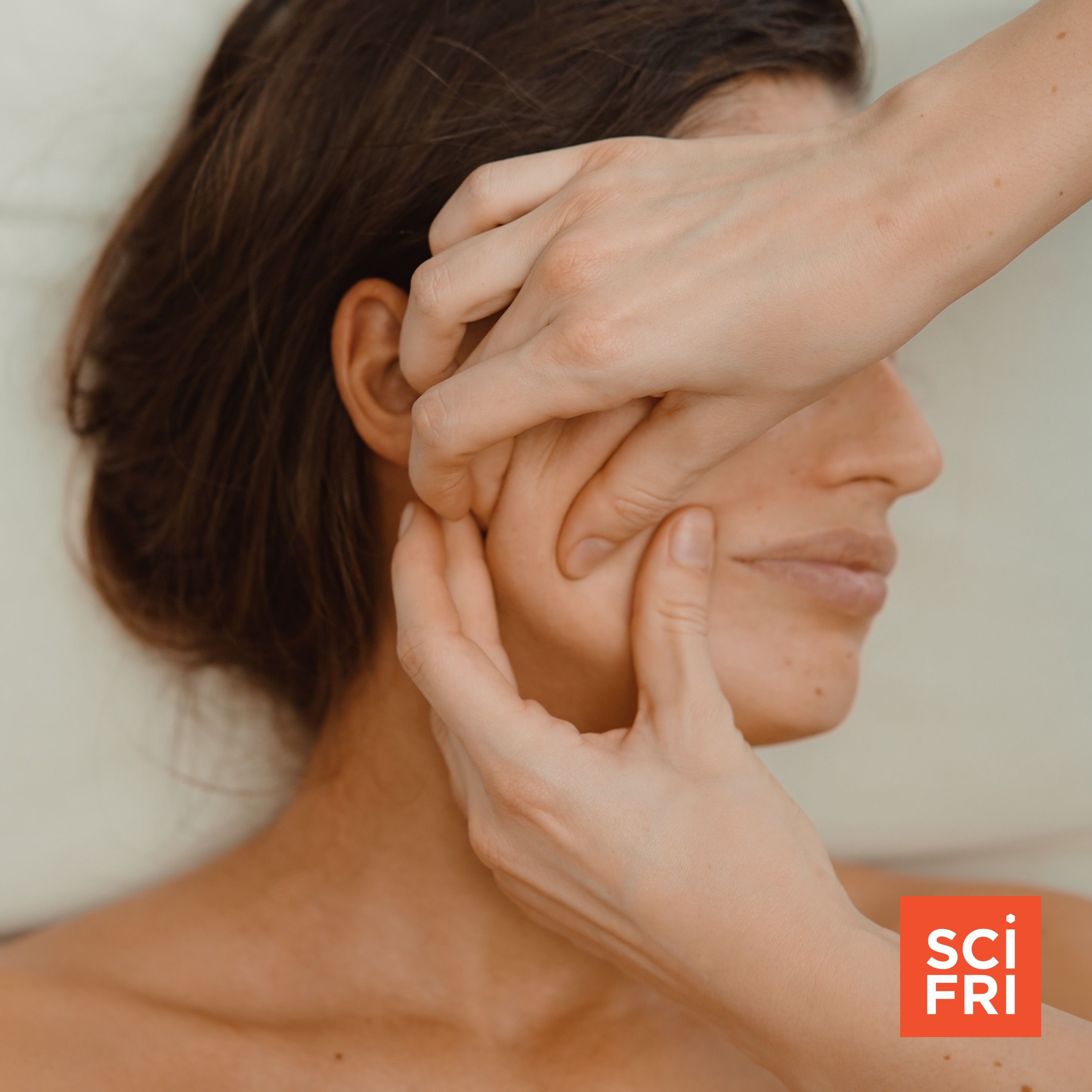
What is lymphatic drainage, anyway?
Sep 18, 2026
A new wellness trend focuses on stimulating the lymphatic system. What does this system do, and is there science to back these claims?
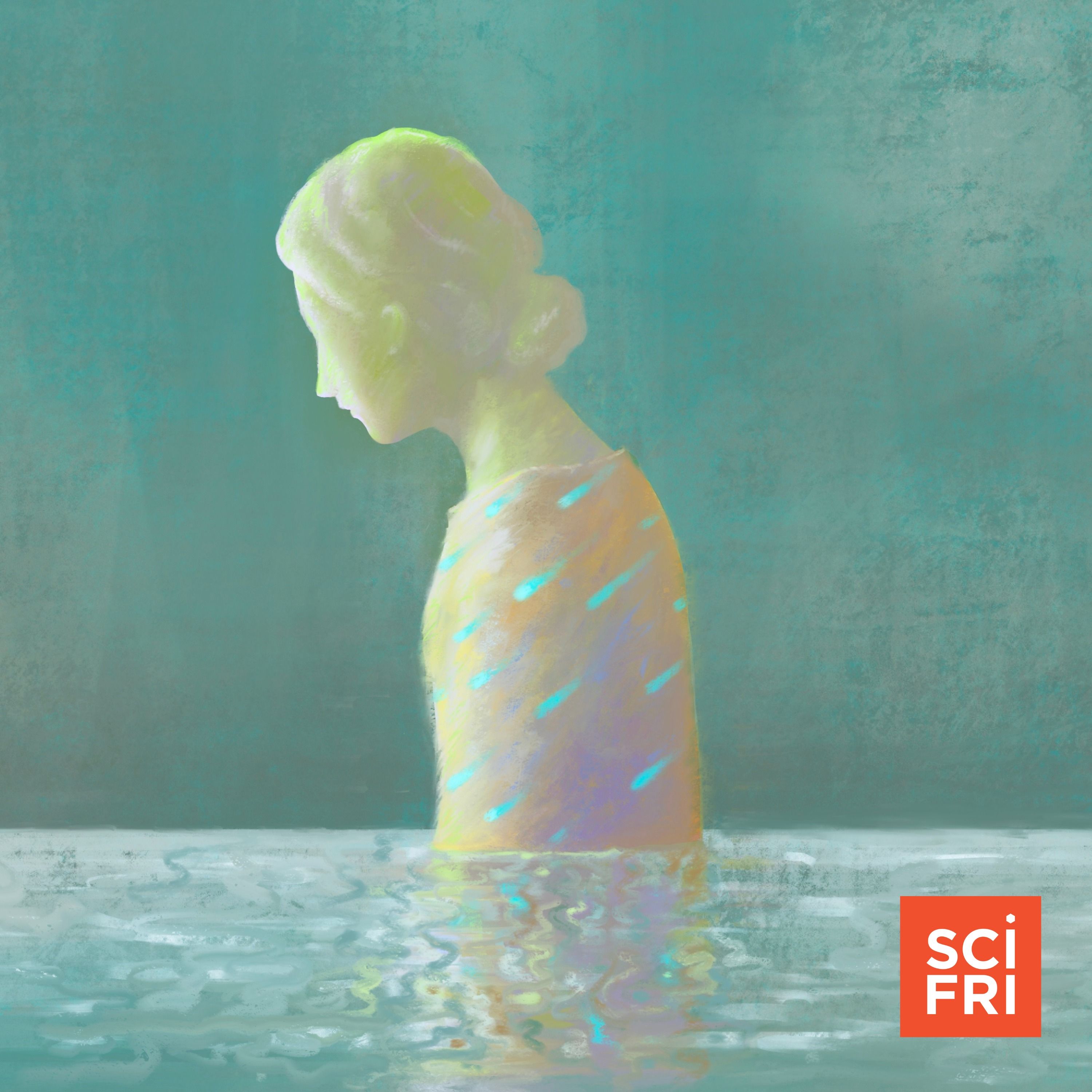
Hot flashes, hormone therapy, and the science of perimenopause
Sep 17, 2026
After decades of controversy over prescribing hormone therapy for perimenopause, many providers are reconsidering their approach.
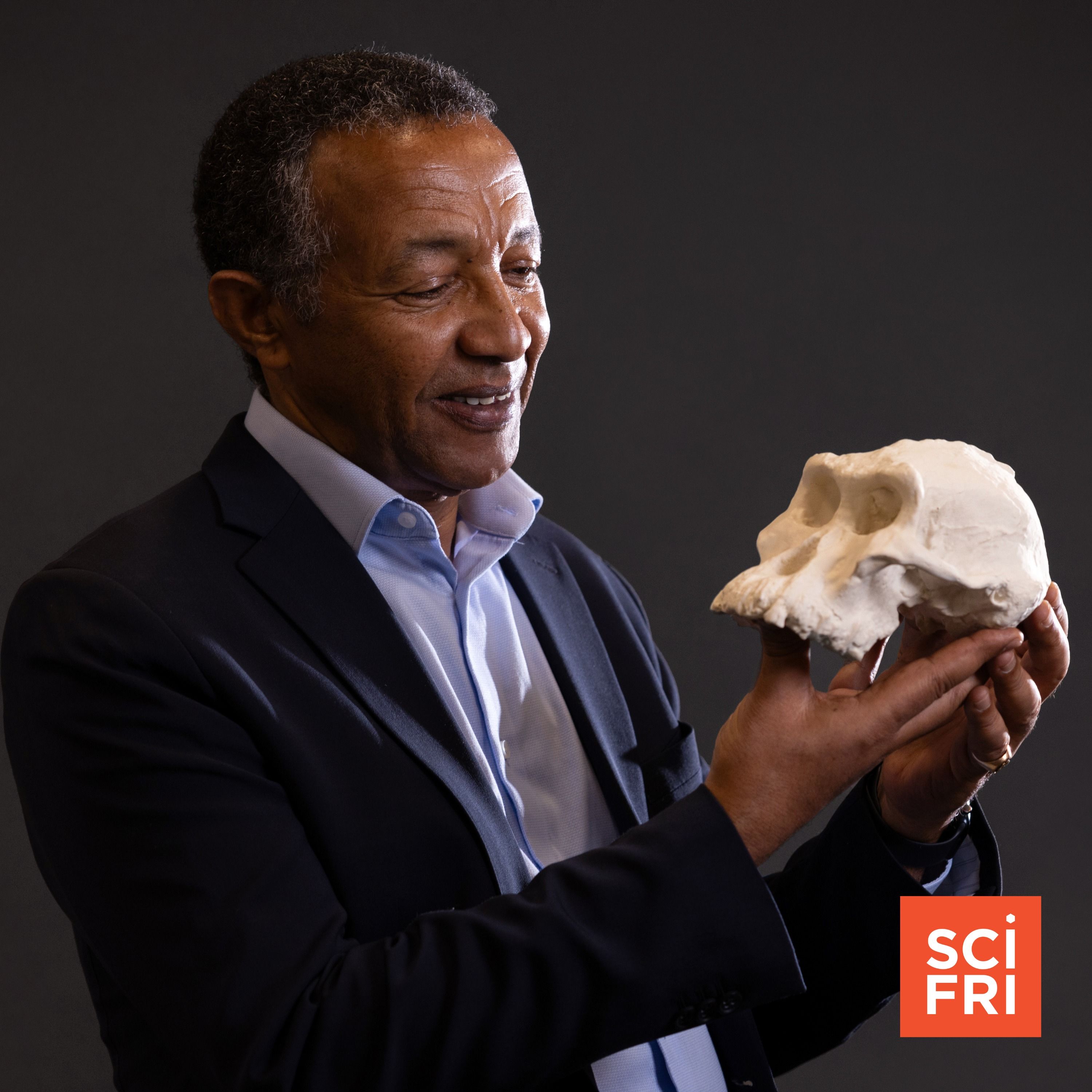
Telling the tale of human origins, one fossil tooth at a time
Sep 16, 2026
Yohannes Haile-Selassie has a talent for spotting fossils, and has discovered clues to several branches of the human family tree.

Did the fire at the Library of Alexandria set humanity back?
Sep 15, 2026
Author Sam Kean explores our fascination with lost knowledge in his new book, “The Museum of Lost Things”
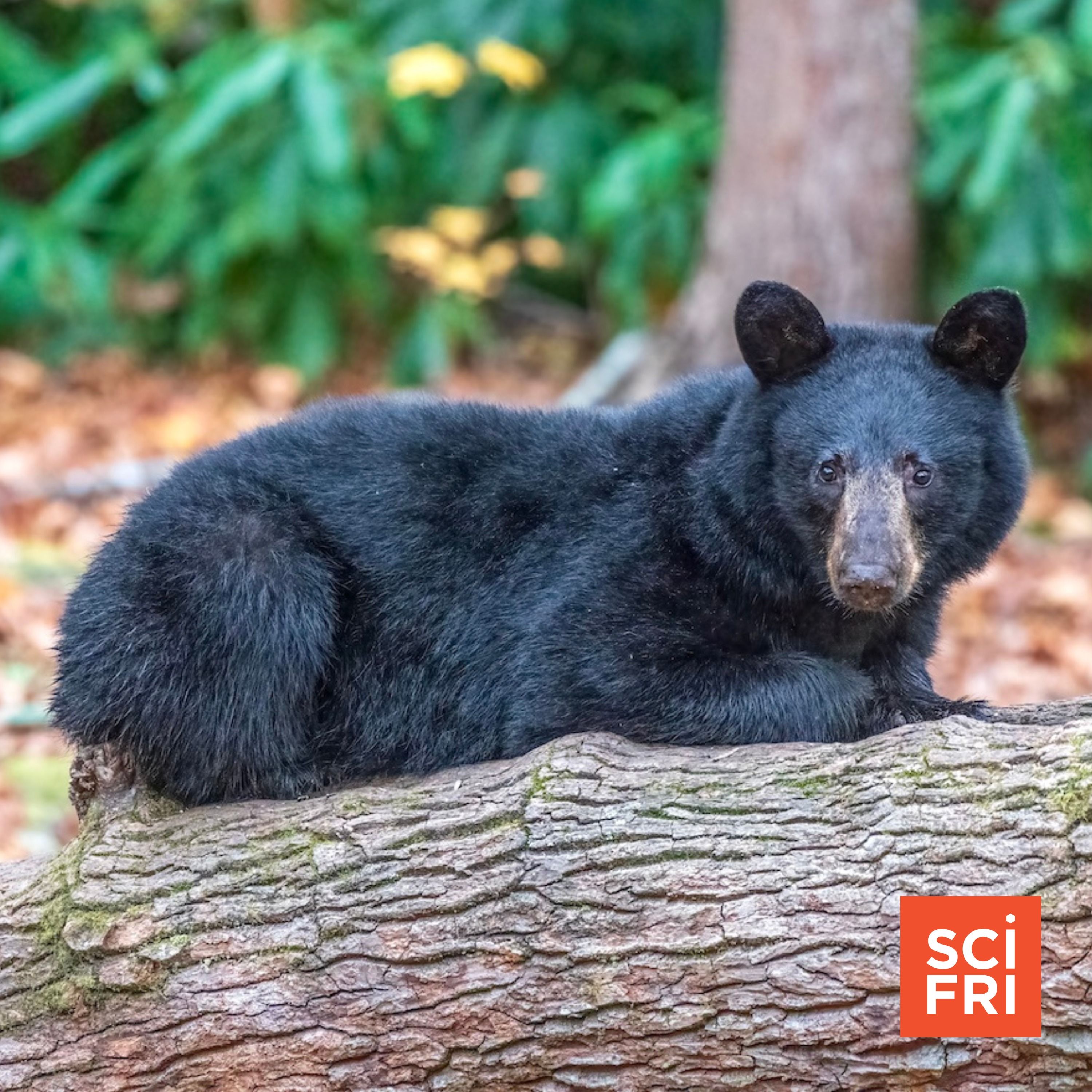
Black bears are moving into the neighborhood. How do we coexist?
Sep 14, 2026
As black bears return to their historic ranges across the U.S., human encounters are increasing. How can bears and people live in harmony?
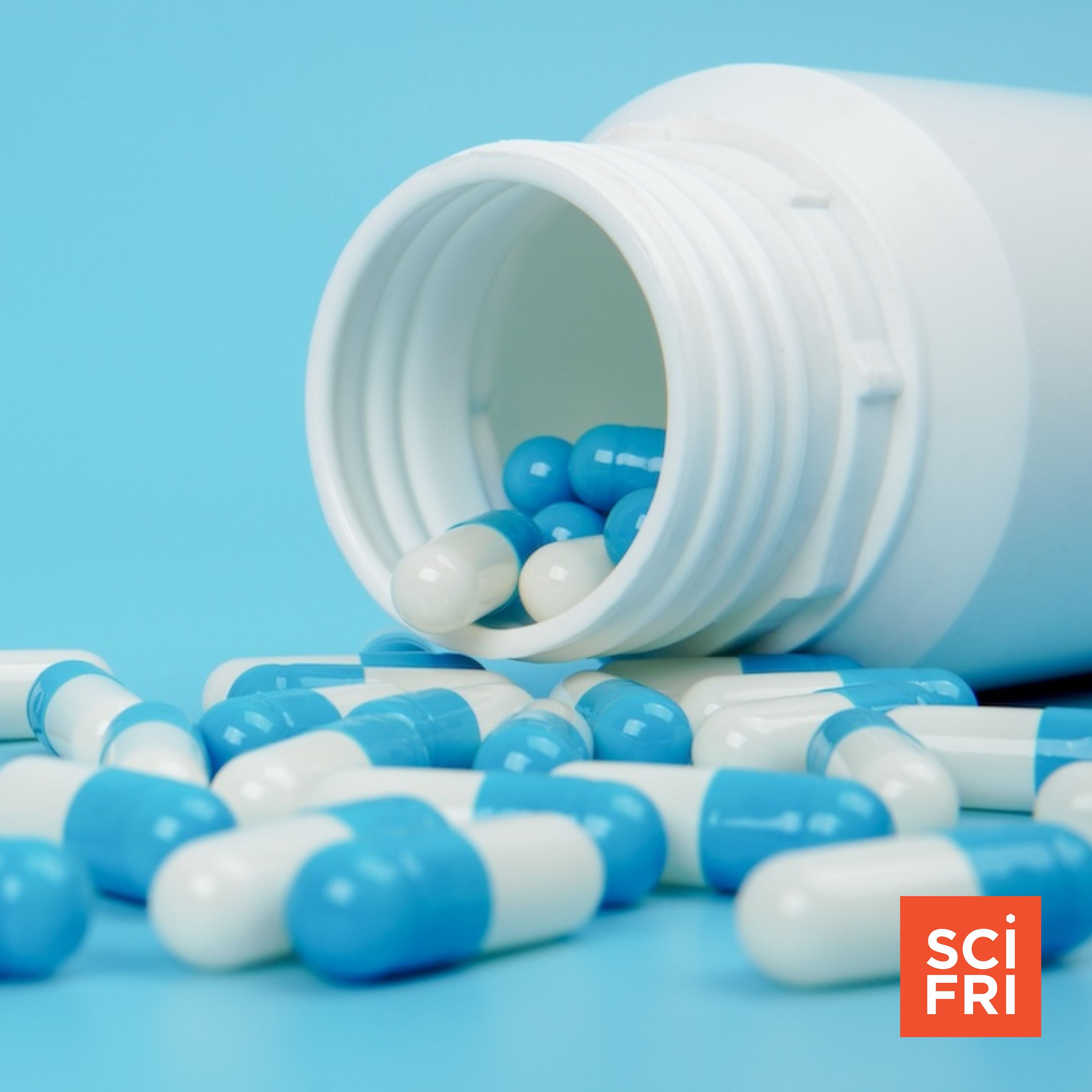
Is a shorter course of antibiotics OK? + Genetic risk of fibromyalgia
Sep 12, 2026
Shorter courses of antibiotics may reduce antimicrobial resistance. Plus, a new study finds a group of genes associated with fibromyalgia.
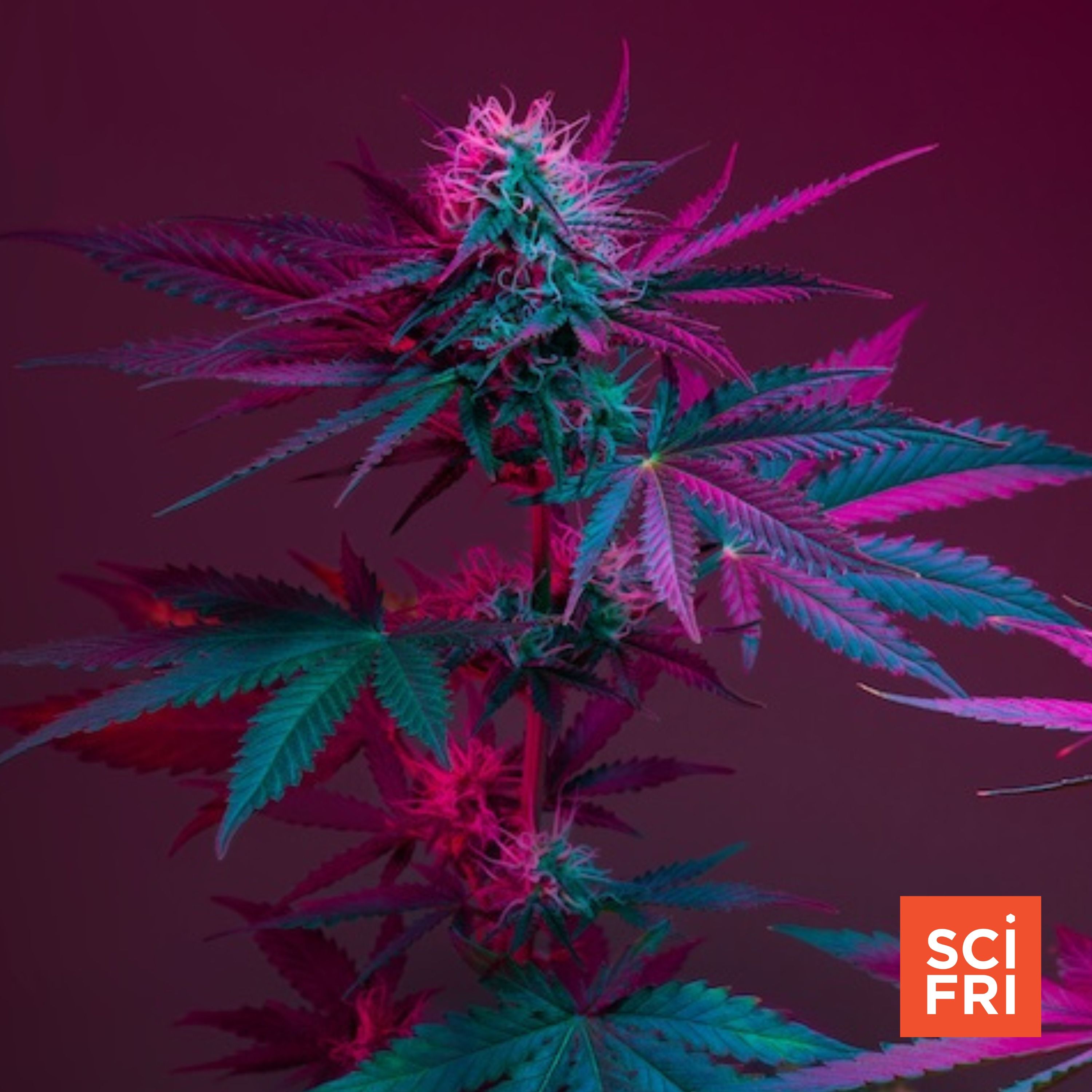
Why cannabis’s health effects are so hard to study
Sep 11, 2026
Cannabis seems to be everywhere, in many forms. We're learning more about its effect on teenage brains and its usefulness as a therapeutic.
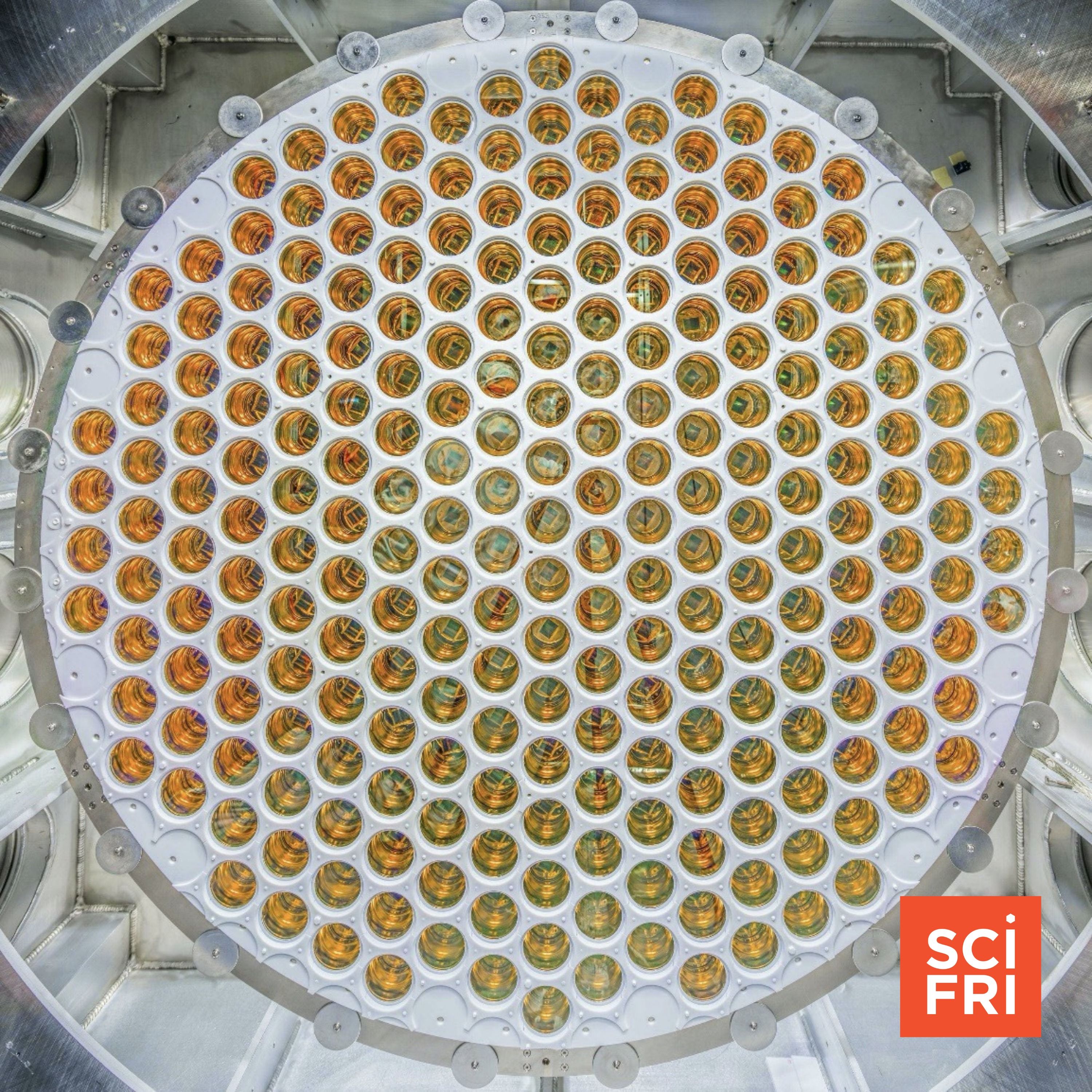
Did scientists just find a dark matter particle? Maybe
Sep 10, 2026
The LUX-ZEPLIN detector picked up a strange signal that scientists haven’t cracked yet. Could it be a dark matter interaction?
Why physics and philosophy need each other
Sep 09, 2026
Physicist Carlo Rovelli urges conversations between physics and philosophy in a search for answers about the universe.